
There’s something magical about biting into a perfectly crafted peanut butter sandwich cookie that takes you straight back to childhood. If you’ve been searching for an authentic recipe that rivals the store-bought classic, these Homemade Nutter Butter Cookies will exceed your expectations.
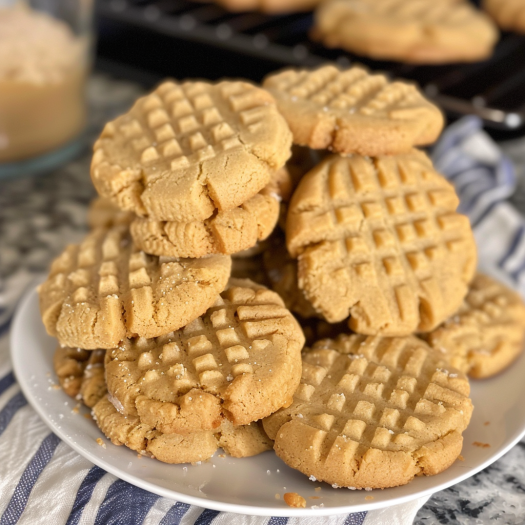
Table of Contents
Preparing Your Cookie Dough
Proper Mixing Techniques
Begin by creaming the softened butter with both sugars until the mixture becomes light and fluffy, which typically takes about three minutes with an electric mixer. This process incorporates air into the dough, creating a lighter texture in the finished cookies. Next, add the peanut butter and continue beating until everything is thoroughly combined and smooth.
Subsequently, add the egg and vanilla extract, mixing just until incorporated. Overmixing at this stage can develop too much gluten, resulting in tough cookies. In a separate bowl, whisk together the flour, baking soda, and salt before gradually adding these dry ingredients to the wet mixture. Mix on low speed until just combined, scraping down the sides of the bowl as needed.
Achieving the Signature Shape
Creating that iconic peanut shape requires a bit of technique but becomes easier with practice. Roll the dough into balls about one tablespoon in size, then gently shape them into ovals between your palms. Place them on parchment-lined baking sheets, spacing them about two inches apart to allow for spreading.
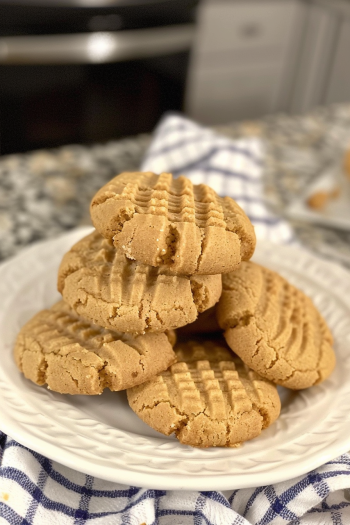
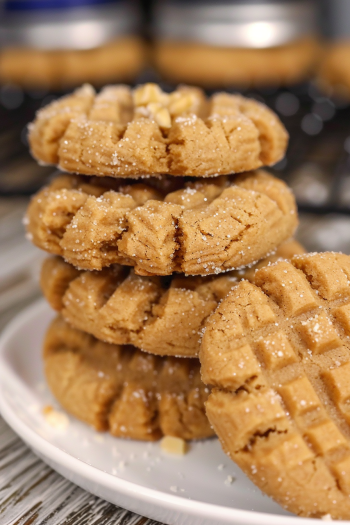
Using a fork, create the classic crosshatch pattern by pressing gently in one direction, then rotating ninety degrees and pressing again. This technique isn’t just decorative; it also helps the cookies bake evenly by flattening them to a uniform thickness. Remember to dip your fork in flour between cookies to prevent sticking.
Ingredients
| Ingredient | Quantity |
|---|---|
| All-purpose flour | 2 cups |
| Baking soda | 1 teaspoon |
| Salt | 1/2 teaspoon |
| Unsalted butter, softened | 1/2 cup |
| Creamy peanut butter | 1/2 cup |
| Granulated sugar | 1/2 cup |
| Light brown sugar, packed | 1/2 cup |
| Large egg | 1 |
| Vanilla extract | 1 teaspoon |
| Creamy peanut butter (for filling) | 1 cup |
| Powdered sugar | 2 cups |
| Heavy cream | 3-4 tablespoons |
Mastering the Baking Process
Temperature and Timing Considerations
Preheating your oven to 350°F ensures consistent baking temperatures from the moment the cookies go in. An oven thermometer can verify accuracy because many ovens run hotter or cooler than their settings indicate. Place the baking sheet on the middle rack where heat circulation is most even, avoiding the top or bottom positions.
Bake the cookies for 10-12 minutes, watching carefully during the final minutes. They should appear set around the edges but still look slightly underdone in the center when you remove them. Consequently, they’ll continue cooking on the hot baking sheet during the cooling process, achieving that perfect texture without becoming overdone.
Cooling and Storage Tips
Allow the cookies to cool on the baking sheet for five minutes before transferring them to a wire rack. This resting period lets them firm up enough to move without breaking. Meanwhile, the wire rack allows air circulation around all surfaces, preventing soggy bottoms while maintaining that desirable crispness.
Once completely cool, store unfilled cookies in an airtight container at room temperature for up to five days. Alternatively, you can freeze them for up to three months, making this recipe perfect for preparing ahead. Just ensure they’re completely cool before freezing to prevent ice crystals from forming.
Creating the Creamy Peanut Butter Filling
Mixing the Perfect Consistency
The filling transforms ordinary cookies into spectacular sandwich treats. Start by beating the peanut butter until smooth and creamy, which takes about one minute with an electric mixer. Gradually add the powdered sugar, mixing on low speed initially to prevent a sugar cloud in your kitchen.
Once the sugar is incorporated, add heavy cream one tablespoon at a time until you reach the ideal spreading consistency. The filling should be thick enough to hold its shape between cookies but soft enough to spread easily. If it becomes too thick, add more cream; if too thin, incorporate additional powdered sugar.
Assembly Techniques
Matching cookies by size creates professional-looking sandwiches with even filling distribution. Spread about one tablespoon of filling onto the flat side of one cookie, then top with a matching cookie, flat side down. Gently press together until the filling reaches the edges without squishing out excessively.
For a cleaner finish, pipe the filling using a pastry bag fitted with a round tip. This method provides more control over the amount of filling and creates a neater appearance. Either way, assembled cookies taste best after resting for at least thirty minutes, allowing the filling to set slightly.
Don’t miss this delicious recipe: Creamsicle Orange Cookies
Variations and Customizations
Flavor Enhancements
While classic peanut butter flavor is wonderful, several variations can add exciting twists to this recipe. Adding mini chocolate chips to the cookie dough creates a delightful chocolatey dimension. Alternatively, swapping half the peanut butter for almond butter produces a more subtle, sophisticated flavor profile that appeals to diverse palates.
For the filling, consider mixing in a tablespoon of honey for natural sweetness and complexity. Similarly, adding a pinch of cinnamon or a splash of maple syrup creates seasonal variations perfect for fall gatherings. Each modification maintains the cookie’s essential character while offering something new and interesting.
Dietary Modifications
Creating gluten-free versions is possible by substituting a quality gluten-free flour blend in equal amounts. However, you may need to add a quarter teaspoon of xanthan gum if your blend doesn’t already contain it. The cookies might spread slightly differently but will still taste delicious.
For dairy-free alternatives, replace the butter with coconut oil or vegan butter, and use coconut cream instead of heavy cream in the filling. These substitutions work remarkably well, maintaining the cookies’ texture and flavor while accommodating dietary restrictions. Just remember that results may vary slightly depending on specific brands used.
Troubleshooting Common Issues
Solving Texture Problems
If your cookies spread too much during baking, several factors could be responsible. First, ensure your butter wasn’t too soft or melted when you started mixing. Additionally, chilling the dough for thirty minutes before baking helps cookies maintain their shape. Using parchment paper instead of greased pans also reduces excessive spreading.
Conversely, cookies that don’t spread enough typically indicate dough that’s too cold or butter that wasn’t properly softened. Room temperature butter should leave a slight indent when pressed but not feel greasy or melted. Bringing all ingredients to room temperature before mixing promotes proper emulsification and even baking.
Addressing Filling Challenges
When filling becomes too runny, it likely needs more powdered sugar or less cream. Add sugar gradually, one tablespoon at a time, mixing well between additions until you achieve the desired thickness. Meanwhile, if the filling is too stiff to spread, incorporate additional cream in small increments.
Sometimes the filling seems perfect initially but becomes too soft later, especially in warm weather. Refrigerating assembled cookies for twenty minutes helps the filling firm up nicely. Store finished cookies in a cool place, as peanut butter filling can become oily when exposed to heat for extended periods.
Serving Suggestions and Presentation
Creative Serving Ideas
These homemade treats shine in various serving scenarios beyond simple snacking. Arrange them on a decorative platter for parties, alternating directions to create visual interest. Furthermore, wrapping individual cookies in cellophane tied with ribbon makes charming homemade gifts that friends and family will appreciate.
Pair these peanut butter sandwich cookies with cold milk for the classic experience, or serve them alongside coffee or hot chocolate for adult gatherings. They also complement ice cream beautifully, either crumbled on top or served whole on the side. For kids’ parties, create a cookie decorating station with extra filling and various toppings.
Long-Term Storage Solutions
Properly stored, these cookies maintain their quality for surprisingly long periods. Assembled cookies stay fresh in an airtight container at room temperature for up to four days. However, the filling gradually softens the cookies, so for maximum crispness, store cookies and filling separately until ready to serve.
Freezing extends their shelf life considerably. Wrap assembled cookies individually in plastic wrap, then place them in freezer bags with all air removed. They’ll keep for three months and thaw quickly at room temperature. This makes batch baking practical for busy schedules or unexpected guests.
Frequently Asked Questions
Can I use natural peanut butter instead of conventional?
While natural peanut butter can work, it produces different results due to its oil separation and lack of stabilizers. The cookies may spread more and have a slightly grainier texture.
How do I prevent my cookies from becoming too hard?
Overbaking is the most common cause of hard cookies. Remove them from the oven when they still look slightly underdone in the center, as they continue cooking while cooling.
Can I make the dough ahead of time?
Absolutely, the cookie dough stores beautifully in the refrigerator for up to three days or in the freezer for three months. Wrap it tightly in plastic wrap and place in an airtight container or freezer bag.
Why did my filling separate or become oily?
Filling separation typically occurs when natural peanut butter is used or when the ratio of peanut butter to powdered sugar is off. Ensure you’re using enough powdered sugar to stabilize the filling.
What’s the best way to achieve uniform cookie sizes?
Using a cookie scoop ensures consistent portions every time, which promotes even baking and professional appearance. A tablespoon-sized scoop works perfectly for this recipe.
Conclusion
Making Homemade Nutter Butter Cookies from scratch delivers rewards far beyond simply replicating a store-bought favorite. These cookies offer superior flavor, fresher ingredients, and the satisfaction of creating something special with your own hands. Throughout this guide, you’ve learned the techniques and tips needed to achieve bakery-quality results in your own kitchen.
Print
Homemade Nutter Butter Cookies
- Total Time: 32 minutes
- Yield: 24 sandwich cookies 1x
Description
Crispy peanut butter cookies sandwiched with creamy peanut butter filling, recreating the iconic store-bought favorite with fresh, quality ingredients and superior flavor.
Ingredients
- 2 cups all-purpose flour
- 1 teaspoon baking soda
- 1/2 teaspoon salt
- 1/2 cup unsalted butter, softened
- 1/2 cup creamy peanut butter
- 1/2 cup granulated sugar
- 1/2 cup light brown sugar, packed
- 1 large egg
- 1 teaspoon vanilla extract
- 1 cup creamy peanut butter (for filling)
- 2 cups powdered sugar
- 3–4 tablespoons heavy cream
Instructions
- 1. Preheat oven to 350°F and line baking sheets with parchment paper.
- 2. Whisk together flour, baking soda, and salt in a medium bowl and set aside.
- 3. Cream softened butter with granulated sugar and brown sugar until light and fluffy, about 3 minutes.
- 4. Add 1/2 cup peanut butter and mix until smooth and well combined.
- 5. Beat in egg and vanilla extract until fully incorporated.
- 6. Gradually add dry ingredients to wet mixture, mixing on low speed until just combined.
- 7. Roll dough into 1-tablespoon portions and shape into ovals between your palms.
- 8. Place on prepared baking sheets, spacing 2 inches apart.
- 9. Create crosshatch pattern by pressing with a fork in two directions.
- 10. Bake for 10-12 minutes until edges are set but centers still look slightly underdone.
- 11. Cool on baking sheet for 5 minutes, then transfer to wire rack to cool completely.
- 12. For filling, beat 1 cup peanut butter until smooth, then gradually add powdered sugar.
- 13. Add heavy cream one tablespoon at a time until reaching spreadable consistency.
- 14. Spread filling on flat side of one cookie, top with matching cookie, and gently press together.
- 15. Allow assembled cookies to rest for 30 minutes before serving for best texture.
Notes
Store unfilled cookies in an airtight container at room temperature for up to 5 days or freeze for 3 months. Assembled cookies stay fresh for 4 days at room temperature. For crispest texture, store cookies and filling separately until ready to serve. Wrap individual cookies in cellophane for gift-giving.
- Prep Time: 20 minutes
- Cook Time: 12 minutes
- Category: Dessert
- Cuisine: American
Nutrition
- Serving Size: 1 sandwich cookie
- Calories: 185
- Sugar: 14g
- Sodium: 125mg
- Fat: 10g
- Carbohydrates: 21g
- Fiber: 1g
- Protein: 4g
Keywords: peanut butter cookies, sandwich cookies, homemade nutter butter, peanut butter sandwich cookies, copycat recipe