
If you’ve ever dreamed of recreating those perfectly golden, crispy-on-the-outside and tender-on-the-inside potatoes from your favorite Greek restaurant, you’re in the right place. This authentic Greek potatoes recipe delivers incredible flavor with minimal effort, transforming simple ingredients into a show-stopping side dish that’ll have everyone asking for seconds. Whether you’re planning a Mediterranean feast or simply craving something different for dinner tonight, these lemon-herb roasted potatoes will quickly become your go-to recipe.
Selecting the Perfect Potatoes
Best Potato Varieties for Greek Cooking
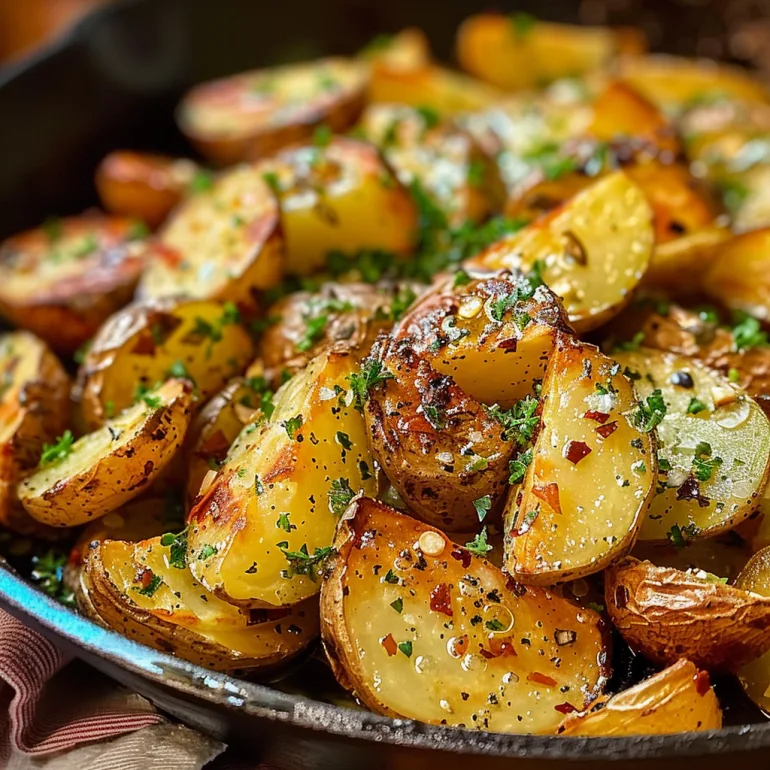
Choosing the right potato variety makes a significant difference in achieving authentic texture and taste. Yukon Gold potatoes are ideal because they hold their shape well while developing a creamy interior during roasting. Meanwhile, russet potatoes work wonderfully if you prefer a fluffier texture with extra crispy edges. Some cooks even combine both varieties for the best of both worlds. However, avoid waxy potatoes like red potatoes for this particular recipe, as they won’t absorb the flavors as effectively.
Proper Potato Preparation Techniques
Cutting potatoes into uniform wedges ensures even cooking throughout the dish. Aim for pieces about 2 inches thick, which allows the exterior to crisp up while the center cooks through completely. Moreover, there’s an ongoing debate about peeling versus leaving the skin on. Traditionally, Greek cooks often leave the skin intact for added texture and nutrients, though peeling creates a more refined presentation. Either way, make sure to rinse the cut potatoes thoroughly to remove excess starch.
Mastering the Marinade
Creating the Perfect Flavor Base
The marinade is where all the magic happens in this recipe. Start by whisking together olive oil, lemon juice, minced garlic, oregano, and rosemary in a large bowl until well combined. The key is using high-quality extra virgin olive oil because its flavor truly shines through in the finished dish. Additionally, fresh lemon juice beats bottled versions every time, providing bright acidity that makes the potatoes sing. Don’t skimp on the garlic either – six cloves might seem like a lot, but it mellows beautifully during roasting.
Marinating Time and Temperature
While you can cook these potatoes immediately after tossing them in the marinade, letting them sit for 15-30 minutes allows the flavors to penetrate deeper. However, marinating longer than an hour isn’t necessary and won’t improve the final result significantly. During this time, the potatoes begin absorbing the lemony, herby goodness that makes them so irresistible. Meanwhile, this resting period gives you time to prepare other dishes or simply relax before the cooking begins.
Ingredients
| Ingredient | Quantity |
|---|---|
| Yukon Gold or russet potatoes | 3 pounds |
| Extra virgin olive oil | 1/2 cup |
| Fresh lemon juice | 1/4 cup |
| Chicken or vegetable broth | 1 cup |
| Garlic cloves, minced | 6 cloves |
| Dried oregano | 2 tablespoons |
| Fresh rosemary, chopped | 2 tablespoons |
| Sea salt | 2 teaspoons |
| Black pepper | 1 teaspoon |
| Lemon zest | 1 tablespoon |
The Roasting Process Explained
Achieving Maximum Crispiness
Proper oven temperature is crucial for getting that coveted crispy exterior. Preheat your oven to 400°F (200°C), which is hot enough to caramelize the potatoes without burning them. Arrange the marinated potato wedges in a single layer in a large roasting pan, making sure they’re not overcrowded. Overcrowding creates steam instead of allowing proper browning, so use two pans if necessary. Pour the remaining marinade and broth over the potatoes, which will keep them moist while the exposed surfaces crisp up beautifully.
Timing and Turning Techniques
Roast the potatoes for approximately 60-75 minutes, turning them every 20 minutes to ensure even browning on all sides. During the first 40 minutes, the potatoes absorb the liquid and begin softening. Then, as the liquid evaporates, the exterior starts crisping up dramatically. Keep an eye on the liquid level – if the pan looks too dry before the potatoes are done, add a splash more broth. Conversely, if there’s still liquid when the potatoes are tender, increase the heat slightly to help it evaporate and crisp the potatoes further.
Serving and Pairing Suggestions
Traditional Greek Accompaniments
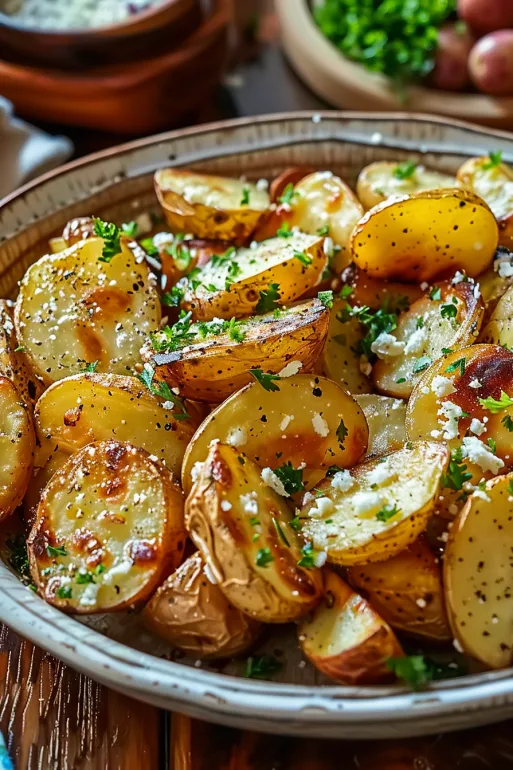
These potatoes pair beautifully with virtually any protein, though they’re traditionally served alongside grilled lamb, chicken souvlaki, or baked fish. The bright, herby flavors complement rich meats perfectly while standing up well to lighter seafood dishes. Additionally, serve them with tzatziki sauce on the side for an authentic Greek experience that guests absolutely love. A simple Greek salad with tomatoes, cucumbers, and feta cheese rounds out the meal wonderfully, creating a complete Mediterranean feast.
Modern Serving Ideas
While traditional pairings are fantastic, these versatile potatoes work equally well in contemporary settings. Try them alongside roasted chicken thighs, grilled steak, or even as a hearty vegetarian main course with a side of sautéed greens. They’re also perfect for meal prep – make a large batch on Sunday and enjoy them throughout the week with different proteins. Furthermore, they’re excellent served at room temperature, making them ideal for potlucks, picnics, or casual gatherings where hot dishes aren’t practical.
Common Mistakes and How to Avoid Them
Preventing Soggy Potatoes
The most common complaint about roasted potatoes is sogginess, which typically results from too much liquid or insufficient oven temperature. To avoid this issue, ensure your oven is fully preheated before adding the potatoes. Also, resist the temptation to add extra broth beyond what’s called for in the recipe. The liquid should mostly evaporate by the end of cooking, leaving behind concentrated flavor rather than a pool of liquid. If your potatoes seem soggy near the end, simply crank up the heat to 425°F for the final 10 minutes.
Fixing Uneven Cooking
Unevenly cooked potatoes frustrate home cooks frequently, but this problem is easily solved with proper preparation. Cut all potato wedges to roughly the same size so they cook at the same rate. Moreover, arrange them in a single layer with some space between each piece whenever possible. When turning the potatoes during cooking, move pieces from the edges toward the center and vice versa, as oven temperatures vary throughout the cooking space. This simple rotation ensures every piece gets equal exposure to the hottest parts of your oven.
Variations and Customizations
Herb and Spice Alternatives
While oregano and rosemary create the classic Greek flavor profile, feel free to experiment with other Mediterranean herbs. Fresh thyme works beautifully and adds an earthy note that complements the lemon wonderfully. Some cooks add a pinch of red pepper flakes for subtle heat, which provides nice contrast to the bright citrus. Alternatively, fresh dill stirred in after cooking gives a lighter, more summery flavor that’s particularly nice with fish dishes. Just remember that dried herbs are more concentrated than fresh, so adjust quantities accordingly.
Adding Extra Vegetables
Transform this side dish into a complete meal by adding other vegetables to the roasting pan. Bell peppers, red onions, and cherry tomatoes all roast beautifully alongside the potatoes and absorb the wonderful marinade. Add these vegetables during the last 30 minutes of cooking since they require less time than potatoes. Zucchini and eggplant are other excellent additions that maintain the Mediterranean theme. However, avoid overcrowding the pan when adding vegetables, as this creates steam and prevents proper caramelization.
Frequently Asked Questions
Can I make Greek potatoes ahead of time?
Absolutely! You can prep the potatoes up to 24 hours in advance by cutting them and storing them in cold water in the refrigerator to prevent browning. You can also mix the marinade ahead of time and store it separately.
What’s the best way to store leftover Greek potatoes?
Store any leftover potatoes in an airtight container in the refrigerator for up to 4 days. To reheat, spread them on a baking sheet and warm them in a 375°F oven for about 15 minutes, which helps restore some of the original crispiness.
Can I use dried lemon juice or bottled lemon juice?
While fresh lemon juice is strongly recommended for the best flavor, bottled lemon juice can work in a pinch. However, bottled versions often taste slightly bitter and lack the bright, fresh flavor that makes this dish special.
Why are my Greek potatoes not getting crispy enough?
Several factors affect crispiness. First, make sure your oven is fully preheated to the correct temperature. Second, don’t overcrowd the pan – potatoes need space around them for moisture to evaporate.
Can I make this recipe in an air fryer?
Yes, Greek potatoes adapt well to air fryer cooking! Preheat your air fryer to 380°F and cook the marinated potatoes in batches to avoid overcrowding. Cook for about 20-25 minutes, shaking the basket every 7-8 minutes for even cooking.
Conclusion
This authentic Greek potatoes recipe proves that simple ingredients, when prepared properly, create extraordinary results. The combination of crispy edges, tender interiors, and bright Mediterranean flavors makes these potatoes a standout dish that works for both casual weeknight dinners and special occasions. By following the techniques outlined here – from selecting the right potatoes to mastering the roasting process – you’ll consistently achieve restaurant-quality results at home.

Greek Potatoes Recipe
- Total Time: 90 minutes
- Yield: 6 servings 1x
- Diet: Vegetarian
Description
Crispy, golden Greek potatoes roasted with lemon, garlic, and herbs. These authentic Mediterranean-style potatoes feature perfectly caramelized edges and tender interiors.
Ingredients
- 3 pounds Yukon Gold or russet potatoes, cut into wedges
- 1/2 cup extra virgin olive oil
- 1/4 cup fresh lemon juice
- 1 cup chicken or vegetable broth
- 6 cloves garlic, minced
- 2 tablespoons dried oregano
- 2 tablespoons fresh rosemary, chopped
- 2 teaspoons sea salt
- 1 teaspoon black pepper
- 1 tablespoon lemon zest
Instructions
- 1. Preheat oven to 400°F (200°C). Cut potatoes into 2-inch wedges and rinse thoroughly to remove excess starch.
- 2. In a large bowl, whisk together olive oil, lemon juice, minced garlic, oregano, rosemary, salt, pepper, and lemon zest until well combined.
- 3. Add potato wedges to the bowl and toss thoroughly to coat all pieces evenly with the marinade. Let sit for 15-30 minutes if time allows.
- 4. Arrange potatoes in a single layer in a large roasting pan. Pour remaining marinade and broth over the potatoes.
- 5. Roast for 60-75 minutes, turning potatoes every 20 minutes to ensure even browning on all sides.
- 6. Continue roasting until potatoes are golden brown and crispy on the outside, tender inside, and most liquid has evaporated.
- 7. If needed, increase heat to 425°F during the final 10 minutes to achieve extra crispiness.
- 8. Remove from oven and let rest for 5 minutes before serving. Garnish with fresh herbs if desired.
Notes
Store leftovers in an airtight container in the refrigerator for up to 4 days. Reheat in a 375°F oven for 15 minutes to restore crispiness. These potatoes pair wonderfully with grilled meats, fish, or served as a vegetarian main course with tzatziki sauce.
- Prep Time: 15 minutes
- Cook Time: 75 minutes
- Category: Side Dish
- Method: Baking
- Cuisine: Greek
Nutrition
- Serving Size: 1 serving
- Calories: 285
- Sugar: 2g
- Sodium: 425mg
- Fat: 18g
- Carbohydrates: 28g
- Fiber: 3g
- Protein: 4g
Keywords: greek potatoes, lemon potatoes, roasted potatoes, mediterranean potatoes, crispy potatoes