
If you’ve ever wondered how a humble leafy green can steal the show, meet Baby Bok Choy with Soy Sauce. This simple stir-fry transforms tender baby bok choy into a flavorful, garlicky side dish that’s ready in minutes.
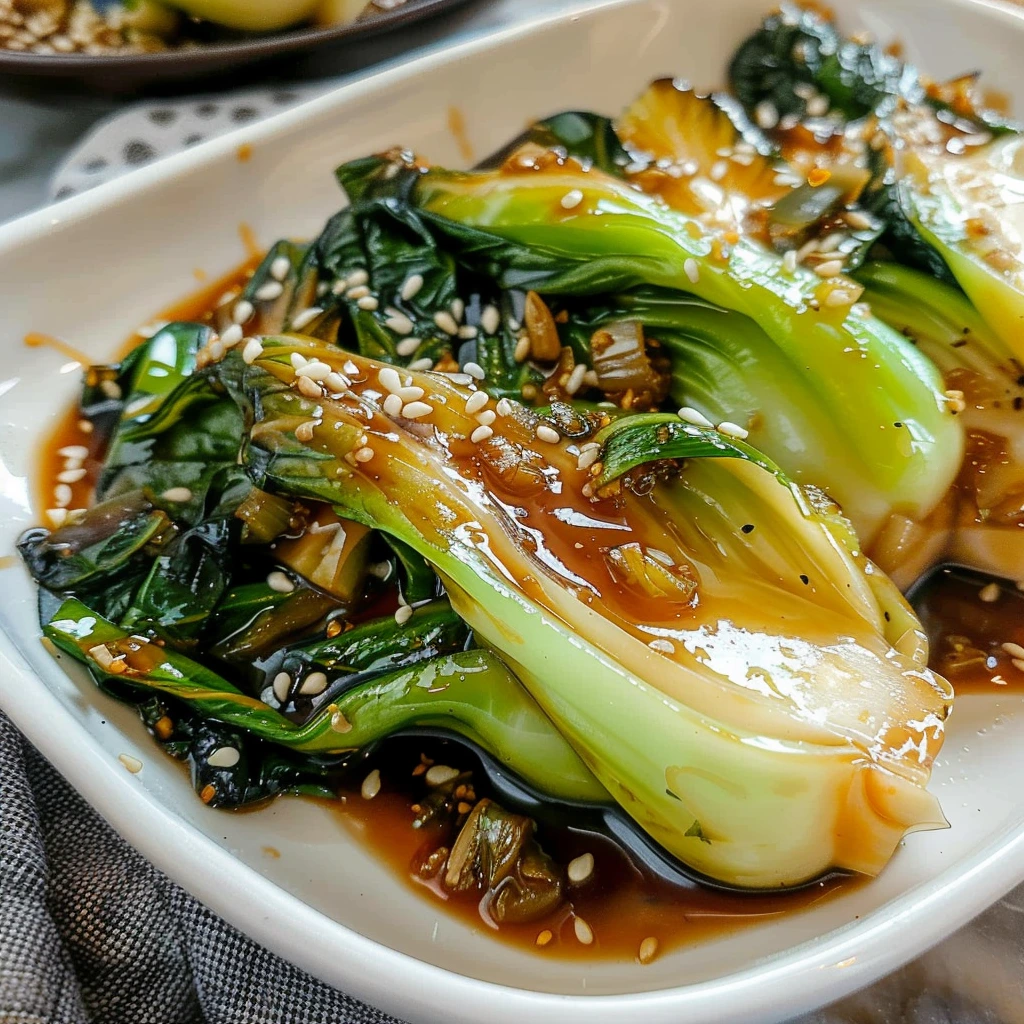
What is Baby Bok Choy?
Baby bok choy, also known as Shanghai bok choy or mini bok choy, is a smaller, more tender version of the traditional bok choy commonly used in Chinese cuisine. Unlike its mature counterpart, baby bok choy has a delicate, mild flavor with slightly sweet undertones, making it versatile for both raw and cooked dishes. Its bright green, spoon-shaped leaves and crisp, pale stems are edible, and each part offers a slightly different texture: the leaves are soft and silky when sautéed, while the stems stay crunchy and refreshing, providing a natural contrast in stir-fries or soups.
Preparing Baby Bok Choy with Soy Sauce – Ingredients, Tools, and Prep Steps
Essential Ingredients for Baby Bok Choy with Soy Sauce
To make this simple yet flavorful dish, you only need a handful of fresh, everyday ingredients. Using high-quality soy sauce and fresh baby bok choy will make all the difference in taste. Here’s a clear breakdown:
| Ingredient | Amount / Notes |
|---|---|
| Baby bok choy | 1 lb (approx. 450 g), washed & trimmed |
| Garlic cloves | 3, minced |
| Soy sauce | 3 tablespoons |
| Sesame oil | 1 tablespoon |
| Vegetable oil or olive oil | 1 tablespoon |
| Water or vegetable broth | 2 tablespoons |
| Optional: red pepper flakes | 1/4 teaspoon, for a slight kick |
| Optional: sesame seeds | 1 teaspoon, for garnish |
Pro Tip: If you want a richer flavor, use a combination of light soy sauce for saltiness and a splash of dark soy sauce for color and depth.
Tools You’ll Need
Cooking this dish is fast and requires minimal equipment. Having the right tools will make your stir-fry smooth and stress-free:
- A wok or large non-stick skillet
- Cutting board and sharp knife
- Measuring spoons
- Spatula or wooden spoon for stirring
- Small bowl for mixing soy sauce and water
How to Make Baby Bok Choy with Soy Sauce – Step by Step
Step 1: Prepare the Baby Bok Choy
- Wash the baby bok choy thoroughly to remove dirt and grit between the stems.
- Trim the root ends slightly and separate the leaves from the stems if stems are very thick.
- Pat dry with a paper towel to prevent steaming when cooking.
Step 2: Heat the Pan
- Heat a large skillet or wok over medium-high heat.
- Add 1 tablespoon of vegetable oil and allow it to shimmer.
Step 3: Sauté the Garlic
- Add the minced garlic to the hot oil and stir for 30 seconds until fragrant.
- Be careful not to burn the garlic—it can become bitter quickly.
Step 4: Cook the Stems
- Add the bok choy stems first (the thicker white parts) and stir-fry for 2–3 minutes until they start to soften.
- Add 2 tablespoons of water or vegetable broth to help them steam slightly if needed.
Step 5: Add the Leaves
- Add the leafy green parts of the bok choy and stir-fry for 1–2 minutes until just wilted.
- Stir constantly to coat the leaves with garlic and oil evenly.
Step 6: Add Soy Sauce and Finish
- Drizzle 2 tablespoons of soy sauce and 1 teaspoon of sesame oil over the bok choy.
- Toss gently for 30 seconds to combine and heat through.
- Optional: Sprinkle a pinch of chili flakes for a little heat.
Step 7: Garnish and Serve
- Transfer the stir-fry to a serving dish.
- Garnish with toasted sesame seeds or chopped scallions for extra flavor and visual appeal.
- Serve immediately with rice, noodles, or grilled proteins.
Cooking Techniques and Flavor Tips for Baby Bok Choy with Soy Sauce
Best Cooking Methods for Baby Bok Choy
Baby bok choy is incredibly versatile and can be prepared in several ways while keeping its vibrant color and delicate flavor. Here are the most effective methods:
- Stir-Frying: This is the quickest and most common method. Using medium-high heat ensures the stems remain crisp while the leaves soften perfectly. Always toss frequently to coat evenly with soy sauce.
- Steaming: Steaming baby bok choy preserves most nutrients and keeps the natural sweetness intact. It’s an excellent choice if you want a softer texture without added oils.
- Sautéing: Lightly sautéing in a little oil and garlic enhances the flavor while keeping the greens tender. This method is ideal for smaller side dishes.
- Grilling or Roasting: For a smoky, caramelized flavor, cut baby bok choy in half, brush lightly with sesame oil, and roast or grill over medium heat.
Don’t miss our guide to Cottage Cheese Chicken Parm Bowl for another healthy dinner option that pairs well with quick vegetable sides like baby bok choy.
Common Mistakes to Avoid When Cooking Baby Bok Choy with Soy Sauce
Even though baby bok choy with soy sauce is a simple and fast dish, there are a few common pitfalls that can turn this crisp, vibrant green into a soggy, flavorless side. Here’s how to avoid them:
- Overcooking the greens
Baby bok choy cooks very quickly—usually in just 3–5 minutes when stir-frying. Overcooking can turn the leaves mushy, the stems soft, and the color dull, robbing the dish of both visual appeal and nutrients. To avoid this, cook stems first for 2–3 minutes, then add leaves at the very end, tossing for another 1–2 minutes until just wilted. - Using too much soy sauce
While soy sauce is essential for flavor, adding too much can make the dish overly salty and mask the natural sweetness of the bok choy. Start with 2–3 tablespoons for 1 pound of greens, taste, and adjust gradually. Low-sodium soy sauce is a great option if you want more control over saltiness. - Not drying the leaves properly
Water clinging to the leaves can cause dangerous splattering when it hits hot oil. It also prevents the greens from sautéing evenly. Always rinse thoroughly and pat dry with a kitchen towel or use a salad spinner before cooking. - Cooking on low or medium heat
Baby bok choy benefits from quick, high-heat cooking. Medium or low heat can make the stems soft, watery, and rubbery, while high heat keeps them crisp. Use a hot wok or skillet and keep the greens moving with a spatula to ensure even cooking. - Overcrowding the pan
If too many greens are added at once, they release water, which leads to steaming rather than stir-frying. This can make the dish soggy and bland. Cook in batches if necessary to maintain texture. - Ignoring seasoning balance
Relying only on soy sauce can make the dish taste flat. Adding complementary flavors like garlic, sesame oil, ginger, or a pinch of red pepper flakes elevates the dish. Don’t forget a light splash of water or broth to help the sauce coat the greens evenly. - Skipping garnish or finishing touches
A simple sprinkle of sesame seeds, a drizzle of toasted sesame oil, or freshly chopped scallions can transform a simple stir-fry into a visually appealing and flavorful dish. Skipping this step makes your dish look and taste ordinary. - Cooking too early in advance
Baby bok choy tastes best fresh. Cooking it too far ahead leads to limp leaves and loss of vibrant green color. If preparing ahead, lightly undercook and reheat quickly in a hot pan before serving. - Using wilted or poor-quality greens
Freshness matters. Wilted or yellowing baby bok choy has less flavor and nutrients. Always choose crisp, bright green leaves and firm stems for the best results.
Storing Baby Bok Choy with Soy Sauce – Tips for Freshness and Meal Prep
Storing Fresh Baby Bok Choy Before Cooking
The key to a vibrant, flavorful stir-fry starts with fresh greens. Proper storage before cooking ensures your baby bok choy stays crisp and full of nutrients:
- Refrigeration: Keep unwashed baby bok choy in a perforated plastic bag in the crisper drawer of your fridge. This allows airflow and prevents moisture buildup.
- Paper Towel Method: Wrap the greens loosely in a damp paper towel before placing them in a bag. This helps maintain freshness and prevents wilting.
- Storage Duration: Fresh baby bok choy typically lasts 3–5 days in the refrigerator. Check leaves for yellowing or soft spots before using.
Pro Tip: Trim the root end slightly to extend storage life while keeping leaves attached.
Storing Cooked Baby Bok Choy with Soy Sauce
If you’ve already prepared the dish and want to save leftovers, follow these tips:
- Refrigeration: Allow the stir-fry to cool to room temperature, then transfer it to an airtight container. Store in the refrigerator for up to 3 days.
- Avoid Overcrowding: When storing, avoid packing too tightly. This helps prevent the leaves from becoming soggy.
- Reheating: Reheat gently in a skillet over medium heat or in the microwave for 30–60 seconds. Avoid overcooking to retain texture and color.
Freezing Baby Bok Choy with Soy Sauce
While fresh stir-fry is best, freezing is an option for meal prep:
- Blanching First: Quickly blanch baby bok choy stems and leaves for 30–60 seconds, then plunge into ice water before freezing. This preserves color and nutrients.
- Freezing Method: Store blanched greens in airtight freezer bags with minimal air. Use within 1–2 months for best flavor.
- Reheating Frozen Bok Choy: Defrost in the fridge overnight and stir-fry briefly with soy sauce and garlic to refresh the texture.
Baby Bok Choy with Soy Sauce – Easy Healthy Stir-Fry Recipe
- Total Time: 12 minutes
Description
A quick, healthy, and flavorful stir-fry! Baby bok choy cooked with garlic, soy sauce, and a touch of sesame oil creates a tender-crisp, nutrient-packed side dish that’s perfect for weeknight dinners. Quick to make, versatile, and pairs beautifully with rice, noodles, or grilled proteins.
Ingredients
1 pound baby bok choy (3–4 small heads)
3 garlic cloves, minced
2 tablespoons soy sauce (low sodium recommended)
1 tablespoon vegetable oil
1 teaspoon sesame oil
2 tablespoons water or vegetable broth
Optional garnish: sesame seeds or chopped scallions
Optional: ¼ teaspoon chili flakes
Instructions
Prep the bok choy: Wash thoroughly, trim root ends, separate stems from leaves if thick, and pat dry.
Heat the pan: Heat 1 tablespoon vegetable oil in a skillet or wok over medium-high heat.
Sauté garlic: Add minced garlic and stir for 30 seconds until fragrant. Avoid burning.
Cook stems: Add bok choy stems and stir-fry for 2–3 minutes. Add 2 tablespoons water or broth if needed.
Add leaves: Add bok choy leaves and stir-fry 1–2 minutes until wilted.
Add sauces: Drizzle 2 tablespoons soy sauce and 1 teaspoon sesame oil. Toss gently to coat. Optional: sprinkle chili flakes.
Serve: Transfer to a plate, garnish with sesame seeds or scallions, and serve immediately.
Notes
Use fresh, crisp bok choy for maximum flavor and texture.
Stir-fry on high heat to preserve color and crunch.
Don’t overcrowd the pan—cook in batches if necessary.
Experiment with proteins or noodles to make it a full meal.
For a vegan twist, add tofu or mushrooms.
Make it keto-friendly by using butter or ghee instead of vegetable oil.
- Prep Time: 5 minutes
- Cook Time: 7 minutes
Nutrition
- Serving Size: 2–3
Frequently Asked Questions (FAQs)
1. What is the best way to cook baby bok choy with soy sauce?
The best method is quick stir-frying over medium-high heat. Cook the stems first for 2–3 minutes, then add the leaves for 1–2 minutes until just wilted. This preserves the crunch and vibrant green color while ensuring the soy sauce coats the greens evenly.
2. Can I use frozen baby bok choy for this recipe?
Yes, but it’s better to blanch frozen baby bok choy first to remove excess moisture. This prevents the dish from becoming watery and helps retain its flavor. For best results, stir-fry quickly after thawing.
3. How long does cooked baby bok choy with soy sauce last in the fridge?
Cooked bok choy can be stored in an airtight container in the refrigerator for up to 3 days. Reheat gently in a skillet or microwave to avoid overcooking and losing texture.
4. Can I make this dish vegan or keto-friendly?
Absolutely! Baby bok choy is naturally vegan. For keto adaptations, use butter or ghee instead of vegetable oil and pair with low-carb proteins like grilled chicken or shrimp. The soy sauce adds flavor without adding carbs.
5. What proteins pair well with baby bok choy with soy sauce?
This dish pairs wonderfully with:
- Chicken (grilled, baked, or stir-fried)
- Beef (flank steak or stir-fried strips)
- Seafood (shrimp, scallops, or salmon)
- Plant-based options (tofu or tempeh)
6. How can I prevent baby bok choy from becoming soggy?
- Avoid overcooking: Cook stems and leaves separately for optimal texture.
- High heat stir-fry: Keeps stems crisp.
- Don’t overcrowd the pan: Cook in batches if needed.
- Dry leaves thoroughly: Removes excess water that causes steaming instead of stir-frying.
Conclusion
Baby bok choy with soy sauce is a quick, nutritious, and versatile side dish that can elevate any meal. From its crisp stems to tender leaves, this green packs flavor, texture, and nutrients in every bite. With simple ingredients like garlic, soy sauce, and a touch of sesame oil, you can create a dish that feels both comforting and restaurant-quality in under 15 minutes.