Jambalaya Recipe – Bold and Comforting Louisiana Classic

Posted on

Author: Julia

Jambalaya recipe lovers, gather around, because few dishes tell a story quite like this one. This Southern classic is what happens when rice, spices, and hearty proteins get together and throw a flavor party in one pot. It’s cozy, a little smoky, and just spicy enough to keep things interesting, so every bite feels like a trip straight to Louisiana without leaving your kitchen.

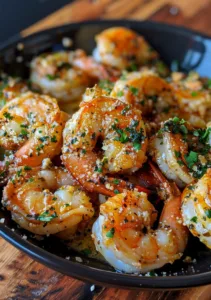
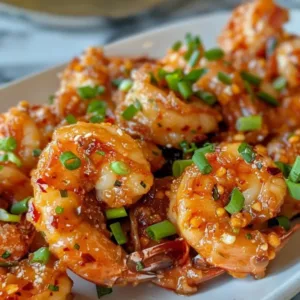
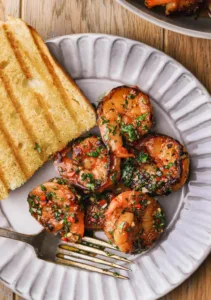
Easy homemade jambalaya recipe with chicken, sausage, shrimp, and rice

Step-by-Step Cooking Method for a Perfect Jambalaya Recipe

Step 1: Brown the proteins for deeper flavor

First, heat a large heavy pot or Dutch oven over medium heat. Add a little oil, then cook the chicken pieces until lightly browned on the outside. This step builds flavor at the bottom of the pot, which later blends into the rice. Next, add sliced turkey or chicken sausage and let it brown slightly, releasing its smoky taste. Remove the meat and set it aside, but keep those flavorful bits in the pot.

Step 2: Sauté the vegetables for a rich base

In the same pot, add onion, bell pepper, and celery. Stir often as they soften, because this helps lift the browned bits from the bottom. After a few minutes, add minced garlic and cook briefly until fragrant. This stage is where your jambalaya recipe starts to smell amazing, and the flavor base really forms.

Step 3: Add spices and toast the rice

Now stir in paprika, thyme, oregano, black pepper, and a small pinch of cayenne. Let the spices cook for about 30 seconds so their flavors bloom. Then add the uncooked long-grain rice and stir well. Coating the rice in oil and spices helps it absorb flavor more evenly as it cooks.

Step 4: Pour in broth and build the jambalaya

Return the browned chicken and sausage to the pot. Then pour in seasoned chicken broth, and if you prefer a Creole-style jambalaya recipe, add diced tomatoes as well. Stir everything together and bring it to a gentle boil. Once boiling, lower the heat, cover the pot, and let it simmer.

Step 5: Let the rice cook slowly

Allow the jambalaya to simmer without stirring too often. This helps the rice cook evenly and prevents it from becoming mushy. After about 20–25 minutes, most of the liquid should be absorbed and the rice tender.

Step 6: Add shrimp at the right time

If using shrimp, stir them in during the last 5–7 minutes of cooking. They cook quickly, so adding them too early can make them rubbery. When they turn pink and opaque, they’re done.

Step 7: Rest and fluff before serving

Once the rice is fully cooked, turn off the heat and let the pot sit covered for about 5 minutes. Then remove the lid, take out any bay leaves, and gently fluff the rice with a fork. This final step keeps the texture light and prevents clumping.

At this point, your homemade jambalaya recipe is ready to serve—warm, bold, and packed with classic Louisiana flavor in every bite. Up next, we’ll cover common mistakes to avoid so your jambalaya turns out perfect every time.

Common Mistakes to Avoid in a Jambalaya Recipe

Using the wrong type of rice

Choosing the wrong rice can quickly change the texture of your jambalaya recipe. Short-grain rice tends to get sticky, which can make the dish heavy instead of fluffy. Long-grain white rice works best because it holds its shape while soaking up all the seasoned broth.

Adding too much liquid

It might seem like more broth means more flavor, but too much liquid can leave your jambalaya mushy. Since the rice cooks directly in the broth, the balance has to be just right. Always measure carefully so the grains turn tender, not soggy.

Stirring the pot too often

While it’s tempting to keep mixing, constant stirring can break the rice and release extra starch. As a result, the texture becomes creamy instead of light and separate. Let the jambalaya recipe simmer gently, and only stir once or twice during cooking.

Overcooking the shrimp

Shrimp cooks very fast, so timing matters. If you add it too early, it can turn rubbery and lose its delicate flavor. Always stir shrimp in near the end so it stays juicy and tender.

Skipping the resting time

Once cooking is done, letting the jambalaya sit covered for a few minutes makes a big difference. During this time, the steam finishes cooking the rice and helps the flavors settle. Skipping this step can lead to uneven texture in your Louisiana rice dish.

Best Side Dishes to Serve with a Jambalaya Recipe

Coleslaw for a cool, crunchy contrast

Creamy or vinegar-based coleslaw brings crunch and freshness. The cool texture contrasts nicely with the warm, spiced rice dish, making each bite more interesting.

Fresh green salad for balance

Because a jambalaya recipe is rich and full of bold spices, a crisp green salad adds refreshing contrast. Lettuce, cucumber, and tomatoes with a light vinaigrette help balance the warmth of Cajun comfort food. This simple side keeps the meal from feeling too heavy.

Cornbread for a Southern touch

Soft, slightly sweet cornbread pairs beautifully with a homemade jambalaya. The bread soaks up the flavorful juices while adding a comforting, classic Southern element. Serve it warm, and you’ve got a combination that feels both hearty and satisfying.

Steamed or roasted vegetables

Lightly seasoned vegetables like green beans, zucchini, or carrots add color and nutrition to the plate. Their mild flavor helps tone down the spice of the jambalaya recipe while still keeping the meal wholesome and filling.

Print
clock clock iconcutlery cutlery iconflag flag iconfolder folder iconinstagram instagram iconpinterest pinterest iconfacebook facebook iconprint print iconsquares squares iconheart heart iconheart solid heart solid icon
Easy homemade jambalaya recipe with chicken, sausage, shrimp, and rice

Jambalaya Recipe – Bold and Comforting Louisiana Classic


  • Author: David Tag
  • Total Time: 50 minutes

Description

This jambalaya recipe is a bold and comforting Louisiana classic made in one pot with seasoned rice, tender chicken, smoky turkey sausage, and juicy shrimp. It’s packed with Cajun flavor, simple ingredients, and hearty texture, making it perfect for a cozy family dinner or a flavorful weekend meal.


Ingredients

Scale

1 tablespoon vegetable oil
1 pound boneless skinless chicken thighs, cut into bite-sized pieces
12 ounces turkey or chicken sausage, sliced
1 medium onion, diced
1 green bell pepper, diced
2 celery stalks, diced
3 cloves garlic, minced
1½ cups long-grain white rice, uncooked
3 cups low-sodium chicken broth
1 cup diced tomatoes (optional for Creole-style jambalaya)
1 teaspoon paprika
½ teaspoon dried thyme
½ teaspoon dried oregano
½ teaspoon black pepper
¼½ teaspoon cayenne pepper (adjust to taste)
1 bay leaf
½ pound raw shrimp, peeled and deveined
Salt to taste
Chopped parsley or green onions for garnish


Instructions

  • Heat oil in a large pot or Dutch oven over medium heat. Add chicken and cook until lightly browned. Add sausage and cook for 2–3 minutes more. Remove and set aside.

  • In the same pot, sauté onion, bell pepper, and celery until softened, about 5 minutes. Stir in garlic and cook for 30 seconds.

  • Add paprika, thyme, oregano, black pepper, cayenne, and rice. Stir well to coat the rice with spices.

  • Return chicken and sausage to the pot. Pour in chicken broth and diced tomatoes if using. Add bay leaf and stir.

  • Bring to a gentle boil, then reduce heat to low. Cover and simmer for 20–25 minutes, until rice is tender and most liquid is absorbed.

  • Stir in shrimp during the last 5–7 minutes of cooking. Cover again and cook until shrimp are pink and opaque.

  • Remove bay leaf, fluff rice gently with a fork, and let rest for 5 minutes before serving. Garnish with parsley or green onions.

Notes

Use long-grain rice only, since it keeps the jambalaya fluffy instead of sticky.
Browning the meat first adds deeper flavor to the final dish.
Avoid stirring too often while the rice cooks so it doesn’t become mushy.
Add shrimp at the end to keep it tender and juicy.
If the rice seems dry when reheating, stir in a splash of broth or water.

  • Prep Time: 15 minutes
  • Cook Time: 35 minutes

How to Store and Reheat Jambalaya Properly

Storing leftovers safely

After cooking your jambalaya recipe, let it cool slightly at room temperature, but don’t leave it out for more than two hours. Then transfer it into airtight containers so moisture and flavor stay locked in. Shallow containers work best because they help the rice cool evenly and safely in the refrigerator. Properly stored, homemade jambalaya will stay fresh for about 3 to 4 days.

Best containers to use

Glass or BPA-free plastic containers with tight-fitting lids are ideal for storing jambalaya. They prevent the rice from drying out and stop the dish from absorbing odors from other foods in the fridge. If you plan to reheat single portions, divide the jambalaya into smaller containers right away for easy grab-and-go meals.

Freezing for longer storage

Jambalaya freezes well, which makes it perfect for meal prep. Let the dish cool completely before placing it in freezer-safe containers or heavy-duty freezer bags. Press out as much air as possible to prevent freezer burn. Label the container with the date, and use within 2 to 3 months for the best flavor and texture.

Thawing frozen jambalaya the right way

For best results, thaw frozen jambalaya overnight in the refrigerator. This keeps the texture of the rice more consistent. If you’re short on time, you can use the microwave’s defrost setting, but stir occasionally so it thaws evenly.

Reheating on the stovetop

The stovetop is one of the best ways to reheat a jambalaya recipe without drying it out. Place the rice in a pan over low to medium heat and add a few tablespoons of broth or water. Stir gently and cover with a lid so steam helps soften the rice. Heat until warmed through.

Reheating in the microwave

For a quick option, microwave individual portions. Add a splash of broth or water, then cover the bowl with a microwave-safe lid or damp paper towel. Heat in short intervals, stirring in between, so the heat spreads evenly and the rice stays moist.

How to know it’s reheated safely

Make sure the jambalaya is steaming hot all the way through before serving. The internal temperature should reach 165°F for safe reheating. Stirring halfway through helps eliminate cold spots, especially when using a microwave.

With the right storage and reheating methods, your jambalaya recipe will taste just as comforting the next day, making leftovers something to look forward to instead of an afterthought.

Frequently Asked Questions

What is the difference between jambalaya and gumbo?
Although both are classic Louisiana recipes, they are cooked differently. Gumbo is more like a thick stew served over rice, while a jambalaya recipe cooks the rice directly in the same pot with the meat, vegetables, and broth. Because of this, jambalaya has a heartier, more blended texture.

Can I make a jambalaya recipe less spicy?
Yes, you can easily control the heat level. Simply reduce the cayenne pepper and choose a mild turkey or chicken sausage instead of a spicy one. The dish will still be full of Cajun cooking flavor from herbs, garlic, and seasoned broth.

What kind of rice works best in jambalaya?
Long-grain white rice is the best option for a traditional jambalaya recipe. It stays fluffy and separate as it cooks, which gives the dish its signature texture. Short-grain or instant rice can turn soft and sticky, which changes the final result.

Can I make jambalaya ahead of time?
Absolutely. In fact, many people think a jambalaya recipe tastes even better the next day because the flavors have more time to blend. Just store it properly in the refrigerator and reheat with a little extra broth or water to keep the rice from drying out.

Can I use only one type of protein?
Yes, jambalaya is very flexible. You can make it with just chicken, only shrimp, or even a vegetarian version with extra vegetables and beans. The key is keeping the seasoning and rice-to-liquid balance right so the dish still tastes rich and satisfying.

Conclusion

This jambalaya recipe brings together bold spices, tender rice, and hearty proteins in one comforting pot. Because it’s simple to customize, you can adjust the spice level, ingredients, and style to fit your family’s taste. Whether you’re cooking for a weeknight dinner or sharing a meal with friends, this Louisiana classic delivers warmth, flavor, and true Cajun comfort food in every bite.