
If you’ve ever bitten into a slice of pistachio bread, you know it’s like a tiny celebration in your mouth—soft, slightly sweet, with that subtle nutty crunch that makes you wonder why you didn’t bake it sooner. Making pistachio bread at home isn’t just for pastry chefs or people with a fancy mixer. In fact, with a few simple ingredients, some basic baking tools, and a dash of patience (and maybe a sprinkle of humor when the dough doesn’t behave), you can create a loaf that’s perfect for breakfast, brunch, or even a mid-afternoon snack.
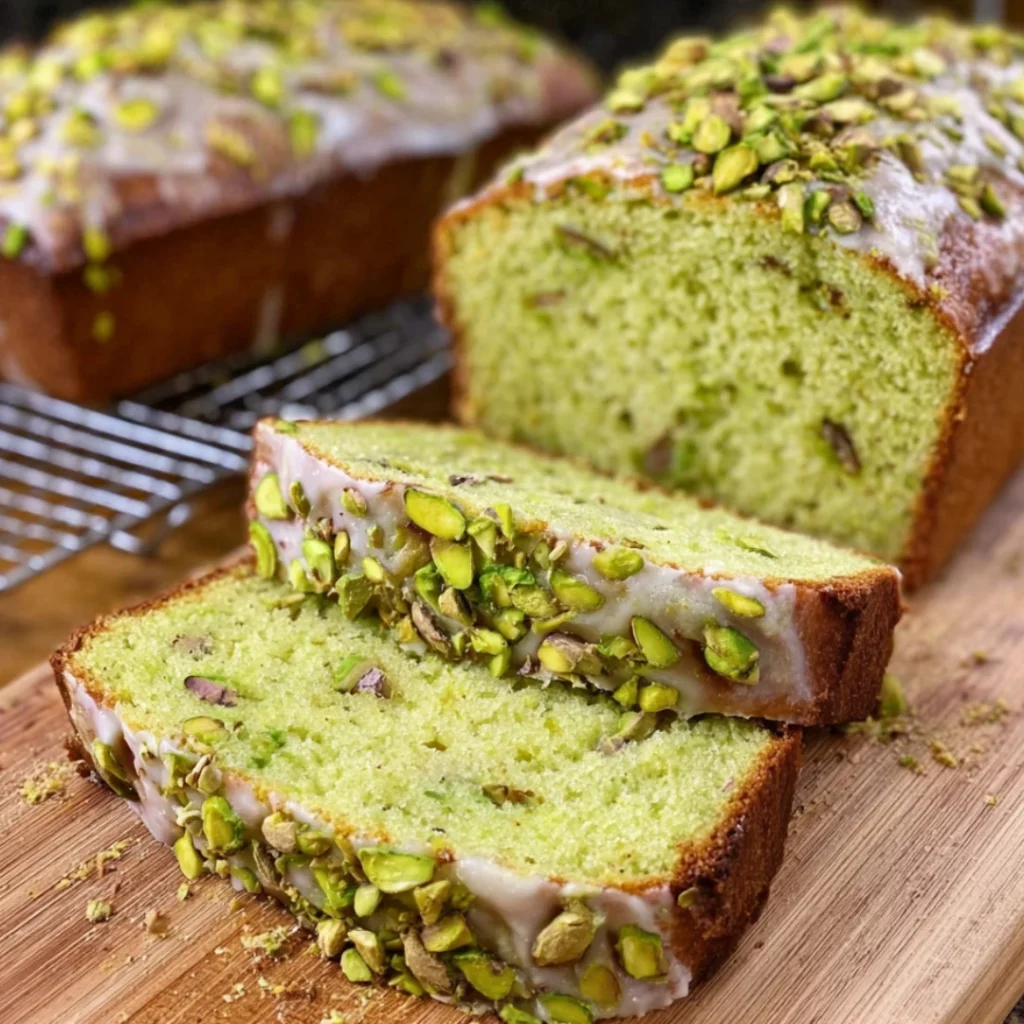
Essential Ingredients for Pistachio Bread
Making a soft, flavorful pistachio bread starts with the right ingredients. Here’s what you’ll need for a loaf that’s moist, nutty, and slightly sweet:
- All-Purpose Flour (2 cups) – This is the base for your bread. If you want a slightly denser texture, you can mix half all-purpose flour with whole wheat flour.
- Granulated Sugar (3/4 cup) – Sweetness balances the nutty pistachio flavor. For a richer taste, use brown sugar or a combination of both.
- Baking Powder (2 tsp) & Baking Soda (1/2 tsp) – These leavening agents ensure your bread rises perfectly, giving it a soft, airy texture.
- Salt (1/4 tsp) – Enhances the flavor of pistachios and balances the sweetness.
- Eggs (2 large) – Eggs provide structure, moisture, and richness. Make sure they’re at room temperature for even mixing.
- Butter (1/2 cup, melted) or Oil (1/2 cup) – Butter adds richness and a slight nutty flavor, while oil gives a softer, moister loaf.
- Pistachio Pudding Mix (1 package) or Finely Chopped Pistachios (3/4 cup) – This is the star ingredient. The pudding mix adds flavor and a subtle green hue, while chopped pistachios give crunch and texture.
- Milk (1/2 cup) or Yogurt (1/2 cup) – Milk keeps the bread soft, while yogurt adds a slight tang and extra tenderness.
Step-by-Step Mixing Instructions
Getting the batter right is key to a soft, moist pistachio bread. Follow these steps carefully to avoid overmixing or uneven distribution of ingredients:
- Prepare Wet Ingredients First
- In a large mixing bowl, combine eggs, melted butter, yogurt, and vanilla extract.
- Whisk until smooth and slightly frothy; this helps incorporate air for a lighter loaf.
- Combine Dry Ingredients Separately
- In another bowl, mix flour, baking powder, baking soda, salt, and sugar.
- For extra flavor, you can also add a pinch of cinnamon or cardamom.
- Gradually Incorporate Dry Into Wet
- Slowly fold the dry mixture into the wet ingredients using a spatula or wooden spoon.
- Mix just until combined; small lumps are fine. Overmixing can make the bread dense.
- Add Pistachios and Optional Mix-Ins
- Fold in chopped pistachios evenly throughout the batter.
- If using chocolate chips or dried fruits, gently fold them in at this stage.
- Tip: Toss nuts or fruit lightly in flour before adding to prevent sinking.
- Final Batter Check
- Ensure the batter is smooth, thick but pourable, and evenly mixed.
- Scrape the sides of the bowl to incorporate any unmixed ingredients at the bottom.
- Pour Into Prepared Loaf Pan
- Level the top with a spatula for even baking.
- Sprinkle additional pistachios or a light sugar topping if desired.
Troubleshooting Common Issues with Pistachio Bread
Even the best bakers sometimes face hiccups when making pistachio bread. The good news? Most issues have simple fixes. Here’s a detailed guide to help you troubleshoot common problems and ensure your loaf comes out perfectly every time.
1. Dense or Heavy Loaf
Cause: Overmixing the batter or using expired leavening agents (baking powder or soda).
Solution:
- Mix ingredients just until combined; a few small lumps are okay.
- Always check your baking powder or soda expiration date.
- Use room temperature ingredients to ensure proper rising.
2. Sunken Middle
Cause: Oven temperature too low, overfilled loaf pan, or underbaking.
Solution:
- Fill loaf pan only 2/3 full.
- Bake at 350°F (175°C) and avoid opening the oven early.
- Test with a toothpick before removing; it should come out clean or with a few moist crumbs.
3. Dry or Crumbly Texture
Cause: Overbaking or not enough moisture in the batter.
Solution:
- Reduce baking time slightly if your oven runs hot.
- Add milk, yogurt, or melted butter to the batter for extra moisture.
- Store bread properly in an airtight container to retain softness.
4. Uneven Rise or Lopsided Loaf
Cause: Uneven batter distribution, hot spots in the oven, or improper pan placement.
Solution:
- Level batter with a spatula before baking.
- Place loaf on the center rack for even heat distribution.
- Rotate pan halfway through baking if your oven has hot spots.
5. Cracked or Overly Brown Top
Cause: Oven temperature too high or batter rising too quickly.
Solution:
- Lower oven temperature slightly (by 10–15°F / 5–8°C).
- Loosely cover the loaf with foil for the last 10–15 minutes of baking.
- Avoid using a fan or convection mode if it browns too fast.
6. Nuts Sinking to the Bottom
Cause: Nuts heavier than batter and sinking during baking.
Solution:
- Toss chopped pistachios in a small amount of flour before folding into the batter.
- Fold nuts gently and evenly to distribute throughout the loaf.
Quick Reference Table: Pistachio Bread Troubleshooting
| Problem | Cause | Fix |
|---|---|---|
| Dense loaf | Overmixing, old leavening | Mix gently, use fresh baking powder |
| Sunken middle | Oven too low, overfilled | Bake at 350°F, fill 2/3 pan |
| Dry texture | Overbaking, too little moisture | Reduce time, add milk/yogurt |
| Uneven rise | Batter uneven, oven hot spots | Level batter, rotate pan |
| Cracked top | Oven too hot, rapid rise | Lower temp, cover with foil |
| Nuts at bottom | Too heavy, uneven folding | Toss nuts in flour, fold gently |
Pistachio Bread: Easy Homemade Recipe for a Soft, Nutty Loaf
- Total Time: 65–75 minutes
Description
This pistachio bread is soft, moist, and packed with nutty flavor, perfect for breakfast, brunch, or a sweet snack. It’s versatile enough to add chocolate chips, dried fruits, or a simple glaze for extra indulgence. Easy to bake from scratch, it’s a crowd-pleaser for family or friends.
Ingredients
1 1/2 cups all-purpose flour
1 tsp baking powder
1/2 tsp baking soda
1/4 tsp salt
1/2 cup sugar
2 large eggs, room temperature
1/2 cup unsalted butter, melted (or substitute with vegetable oil)
1/2 cup yogurt or milk
1 tsp vanilla extract
1 cup chopped pistachios (plus extra for topping)
Optional: 1/2 cup chocolate chips or dried fruits, 1 tsp pistachio extract, citrus zest
Instructions
Step 1: Preheat Oven & Prepare Pan
Preheat oven to 350°F (175°C).
Grease a 9×5-inch loaf pan or line with parchment paper.
Step 2: Mix Wet Ingredients
In a large bowl, whisk eggs, melted butter, yogurt, and vanilla extract until smooth.
Step 3: Combine Dry Ingredients
In another bowl, mix flour, baking powder, baking soda, salt, and sugar.
Step 4: Incorporate Dry Into Wet
Gradually fold dry ingredients into wet ingredients with a spatula until just combined. Small lumps are okay.
Step 5: Fold in Pistachios & Optional Add-ins
Fold in chopped pistachios. Add chocolate chips, dried fruits, or citrus zest if using. Toss nuts or fruit in a little flour to prevent sinking.
Step 6: Bake
Pour batter into prepared loaf pan and level the top.
Bake 50–60 minutes, or until a toothpick comes out clean.
If the top browns too quickly, cover loosely with foil during the last 10 minutes.
Step 7: Cool
Let bread cool in the pan 10–15 minutes, then transfer to a wire rack.
Optional: Drizzle glaze or sprinkle extra nuts on top.
Notes
Use room temperature eggs and yogurt for a lighter, fluffier texture.
Toast pistachios lightly to enhance the nutty flavor.
Don’t overmix batter; overmixing can make the bread dense.
Store at room temperature in an airtight container for 3 days, or freeze for up to 2 months.
Mini loaves or muffins bake faster (20–30 minutes) and are perfect for gifting or portion control.
- Prep Time: 15 minutes
- Cook Time: 50–60 minutes
Storing, Freezing, and Reheating Pistachio Bread
Pistachio bread is delicious fresh, but knowing how to store, freeze, and reheat it properly ensures that every slice stays soft, moist, and flavorful. Here’s a comprehensive guide to keeping your loaf at its best.
Storing Pistachio Bread at Room Temperature
- Short-Term Storage: Wrap your cooled pistachio bread tightly in foil, plastic wrap, or an airtight container to prevent it from drying out. It will stay fresh for up to 3 days at room temperature.
- Avoid Refrigeration: Storing pistachio bread in the fridge can dry it out and make the texture crumbly. Only refrigerate if your kitchen is very warm or humid, but keep it fully sealed.
- Keep It Whole: If possible, store the loaf whole until ready to slice. Sliced bread loses moisture faster and can become stale more quickly.
Pro Tip: For extra softness, place the bread in a paper bag inside a plastic container. This allows the bread to breathe slightly while preventing it from drying out.
Freezing Pistachio Bread for Long-Term Storage
Freezing pistachio bread is a great way to make it ahead or save leftovers:
- Whole Loaf: Wrap the cooled loaf in plastic wrap, then cover with foil or place in a freezer bag. Freeze for up to 2 months.
- Sliced Loaf: Slice the bread before freezing so you can easily grab just what you need. Wrap each slice individually or layer with parchment paper in a freezer bag.
- Label Clearly: Mark the date on your packaging to track freshness and prevent long-forgotten freezer loaves.
Thawing and Reheating Pistachio Bread
- Thawing: Remove from freezer and let it sit at room temperature for 1–2 hours, or place in the refrigerator overnight for a slower thaw.
- Reheating:
- Oven: Preheat to 325°F (160°C) and warm slices for 5–10 minutes.
- Microwave: Heat a slice for 15–20 seconds. Cover with a damp paper towel to retain moisture.
- Toaster: Perfect for a slightly crisp crust while keeping the inside soft.
- Optional Moisture Boost: Brush a light layer of butter or drizzle a tiny amount of milk over slices before reheating to restore tenderness.
Frequently Asked Questions (FAQs) about Pistachio Bread
1. Can I make pistachio bread without pistachio pudding mix?
Yes! You can replace the pudding mix with vanilla pudding powder or simply use extra chopped pistachios and a teaspoon of pistachio extract to retain the nutty flavor.
2. Can I make pistachio bread gluten-free?
Absolutely! Use a gluten-free all-purpose flour blend. Ensure it contains xanthan gum or add 1/2 tsp to help the bread rise and maintain structure. Baking time may be slightly longer, so check with a toothpick.
3. How long does pistachio bread last?
- Room Temperature: 3 days in an airtight container.
- Freezer: Up to 2 months if wrapped properly. Always thaw before reheating for best texture.
4. Can I substitute the butter with oil?
Yes. Use a neutral oil like vegetable or canola oil. Oil keeps the bread moist but slightly changes the flavor profile, making it less rich than butter.
5. Can I add chocolate chips or fruits?
Definitely! Pistachio bread pairs well with chocolate chips, dried cranberries, blueberries, or citrus zest. Fold them in gently to avoid overmixing the batter.
6. How do I prevent the bread from sinking in the middle?
- Don’t overfill the loaf pan (fill about 2/3 full).
- Bake at the correct temperature (350°F/175°C) and avoid opening the oven early.
- Use fresh baking powder to ensure proper rising.
7. Can I make mini loaves or muffins?
Yes! Divide the batter into mini loaf pans or muffin tins. Bake 20–30 minutes for muffins or slightly less for smaller loaves, checking doneness with a toothpick.
Conclusion
Pistachio bread is a versatile, nutty, and moist loaf that’s perfect for breakfast, brunch, or a sweet snack. With the tips in this guide—from ingredients and substitutions, to baking, flavor enhancements, storage, and creative variations—you can confidently make a loaf that is soft, flavorful, and visually appealing.