If you’ve ever stared at a plate of pasta and thought, “This could use more color… and maybe more vegetables,” then Pasta Primavera is your new best friend. This dish is like a rainbow in your bowl—crisp, fresh vegetables dancing with tender pasta, lightly coated in a flavorful sauce that won’t weigh you down. And the best part? You get all the taste without sacrificing your health goals.
History and Origin of Pasta Primavera
Pasta Primavera may sound like something your Italian grandmother invented centuries ago, but it’s actually a modern classic. This vibrant pasta dish became popular in the United States during the 1970s, thanks to Italian-American chefs who wanted a lighter, vegetable-packed pasta option. The word “Primavera” literally means “spring” in Italian, which makes sense—this dish celebrates the fresh vegetables of the season. Over time, Pasta Primavera evolved from a fancy restaurant dish to a beloved home-cooked favorite, perfect for casual dinners, potlucks, and family meals. Its charm lies in its simplicity: pasta, fresh vegetables, and a flavorful sauce that ties everything together.
Essential Ingredients for Pasta Primavera
Fresh Vegetables to Use
The heart of any Pasta Primavera is its vegetables, so choosing fresh, vibrant produce is key. Bell peppers, zucchini, broccoli, peas, carrots, and cherry tomatoes create the perfect balance of color, texture, and flavor. Seasonal vegetables like asparagus in spring or squash in summer can also be excellent additions. Blanching the veggies briefly before tossing them with pasta helps maintain their bright colors and crisp-tender texture. Remember, the goal is a colorful vegetable pasta meal that’s as visually appealing as it is delicious. Don’t forget to season lightly with salt, pepper, and a drizzle of olive oil to enhance natural flavors.
Pasta Options and Variations
While the vegetables steal the show, the pasta itself sets the stage. Long noodles like spaghetti or fettuccine are classic choices, while penne or farfalle can make tossing the sauce and veggies easier. Whole-grain or gluten-free pasta offers healthier alternatives without sacrificing taste. For a lighter twist, consider zucchini noodles or spaghetti squash as a base for a low-carb option. Regardless of your choice, cook pasta al dente, then combine it with the vegetables and sauce just before serving to maintain texture and flavor. This ensures every bite is a perfect mix of tender pasta and crisp, fresh vegetables.
Step-by-Step Pasta Primavera Recipe
Preparing the Vegetables
Start by washing and chopping your vegetables into bite-sized pieces. Aim for uniform sizes so they cook evenly. Blanch firmer vegetables like broccoli and carrots in boiling water for 1–2 minutes, then immediately transfer them to ice water to preserve color and crunch. Softer vegetables like zucchini, bell peppers, and cherry tomatoes can be sautéed directly. For extra flavor, toss the veggies with a touch of olive oil, garlic, and a pinch of salt before cooking. Keeping the vegetables crisp ensures a vibrant, colorful vegetable pasta meal that’s a feast for both the eyes and the taste buds.
Cooking the Pasta and Combining Ingredients
Bring a large pot of salted water to a boil and cook your pasta al dente. Drain and reserve a small cup of pasta water—it’s perfect for adjusting the sauce consistency later. In a large pan, sauté garlic in olive oil, then add your blanched and sautéed vegetables. Toss the cooked pasta into the pan and combine everything thoroughly. Add your sauce of choice: a light garlic-butter mixture, a touch of olive oil with lemon zest, or a creamy Parmesan-based sauce. If needed, add reserved pasta water gradually to achieve the perfect silky texture. Finish with fresh herbs like basil or parsley and a sprinkle of Parmesan or a plant-based alternative. Voilà! You’ve got a quick, easy Pasta Primavera dinner ready to enjoy.
Frequently Asked Questions (FAQs)
1. Can I make Pasta Primavera ahead of time?
Yes! You can prepare the vegetables and pasta separately a few hours ahead. Store them in airtight containers in the fridge and combine them just before serving. Avoid mixing everything too early, or the vegetables may become soggy.
2. What pasta works best for Primavera?
Long pasta like spaghetti or fettuccine works beautifully, but penne, farfalle, or even whole-grain pasta are excellent choices. The key is to cook al dente so it holds up well when tossed with vegetables and sauce.
3. Can I freeze Pasta Primavera?
You can, but it’s best to freeze the pasta and vegetables separately. Upon reheating, gently combine them with a splash of olive oil or pasta water to restore texture. Keep in mind that some delicate vegetables may lose their crispness after freezing.
4. How do I make it vegan or dairy-free?
Replace Parmesan cheese with nutritional yeast or plant-based cheese and use olive oil or vegan butter instead of dairy butter. You can also add chickpeas or tofu for protein, keeping it nutritious and colorful.
5. What vegetables are best for Pasta Primavera?
Bell peppers, zucchini, cherry tomatoes, broccoli, peas, and carrots are classic choices. Feel free to swap in seasonal vegetables like asparagus, green beans, or yellow squash to keep it fresh and vibrant.
Tips for the Perfect Pasta Primavera
Flavor Enhancements
Even though Pasta Primavera is naturally colorful and fresh, a few flavor boosts can elevate it from good to unforgettable. Start with fresh herbs like basil, parsley, or thyme for a fragrant touch. A sprinkle of lemon zest or a few drops of fresh lemon juice can brighten the dish instantly. For richness without heaviness, a dusting of Parmesan cheese or a plant-based alternative works wonders. Don’t forget a light drizzle of high-quality olive oil or a small pat of butter to make each bite silky and satisfying. These small additions transform your spring vegetable pasta meal into a flavorful, restaurant-quality experience at home.
Presentation Tips
Pasta Primavera isn’t just about taste—it’s a visual delight. Use a variety of colorful vegetables to make your plate pop. Serve pasta in shallow bowls so the colors are fully visible and sprinkle fresh herbs on top for contrast. Cherry tomatoes and microgreens can add finishing touches. For a more formal dinner, consider serving in individual portions with a small wedge of lemon on the side. A little attention to plating makes the dish feel special, and presentation matters just as much as taste. Remember, a colorful vegetable pasta meal is half about looking amazing, so don’t be afraid to play with vibrant combinations.
Print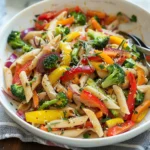
Pasta Primavera Recipe | Easy, Colorful & Healthy Dinner Ideas
- Total Time: 30 minutes
Description
A vibrant, colorful, and healthy Pasta Primavera recipe loaded with fresh vegetables, tender pasta, and a light, flavorful sauce. Perfect for quick dinners, family meals, or a spring-inspired lunch. This dish is easy to make, customizable, and packed with nutrients.
Ingredients
8 oz spaghetti, fettuccine, or penne
1 cup broccoli florets
1 medium zucchini, sliced
1 bell pepper, sliced (any color)
1 cup cherry tomatoes, halved
1/2 cup peas (fresh or frozen)
2 tbsp olive oil
2 cloves garlic, minced
1/4 cup grated Parmesan or plant-based cheese
Salt and black pepper to taste
Fresh basil or parsley for garnish
Optional: grilled chicken, shrimp, or turkey sausage
Instructions
Bring a large pot of salted water to a boil and cook pasta al dente. Reserve 1/2 cup pasta water and drain.
Blanch broccoli and carrots for 1–2 minutes in boiling water, then transfer to ice water.
In a large skillet, heat olive oil over medium heat. Sauté garlic for 1 minute until fragrant.
Add zucchini, bell pepper, cherry tomatoes, peas, and blanched broccoli. Cook 3–4 minutes until tender-crisp.
Toss cooked pasta with the vegetables, adding reserved pasta water as needed.
Stir in Parmesan cheese, season with salt and pepper, and garnish with fresh herbs.
Optional: add cooked protein for a heartier meal. Serve immediately.
Notes
Blanching vegetables keeps them bright and crisp.
Use pasta water to make the sauce silky and light.
Swap vegetables seasonally for a fresh twist every time.
Garnish with lemon zest or fresh herbs for added flavor.
Perfect for meal prep: store pasta and vegetables separately to maintain texture.
- Prep Time: 15 minutes
- Cook Time: 15 minutes
Variations and Dietary Adaptations
Vegetarian and Vegan Options
Pasta Primavera naturally leans vegetarian, but going fully vegan is simple. Replace Parmesan cheese with a plant-based alternative or nutritional yeast for a cheesy flavor without dairy. Use olive oil or vegan butter for sautéing, and add chickpeas or tofu for protein if desired. This version keeps the dish light, colorful, and healthy while staying 100% plant-based. Seasonal vegetables like asparagus, zucchini, and bell peppers keep it fresh and exciting, creating a quick meal pasta primavera that’s perfect for everyone at the table.
Protein Additions
If you want to make your Pasta Primavera heartier, adding lean proteins is an excellent idea. Chicken, shrimp, turkey bacon, or beef sausage alternatives pair beautifully with the fresh vegetables. Lightly sauté or grill your protein separately and fold it into the pasta just before serving. This not only increases the nutritional value but also makes it suitable for larger meals or family dinners. Protein additions transform this dish from a simple vegetarian pasta into a satisfying dinner that pleases both adults and kids.
Common Mistakes to Avoid
Overcooking Vegetables or Pasta
One of the most common mistakes when making Pasta Primavera is overcooking either the vegetables or the pasta. Mushy vegetables ruin the crisp-tender texture that makes this dish so appealing, and soggy pasta can turn the meal into a sticky mess. To avoid this, blanch firmer vegetables like broccoli and carrots for just 1–2 minutes, then transfer them immediately to ice water. Cook pasta al dente, and combine it with the vegetables and sauce only at the last moment. This keeps every bite fresh, colorful, and perfectly balanced.
Overcomplicating the Sauce
Another mistake is overloading Pasta Primavera with heavy sauces. The beauty of this dish lies in its simplicity—the vegetables and pasta should shine. Stick to light olive oil-based sauces, a touch of garlic butter, or a simple Parmesan cream. If needed, add a splash of pasta water to make the sauce silky and help it coat the noodles evenly. Avoid too many spices or creamy additives, which can overwhelm the fresh flavors. Remember: sometimes less really is more when it comes to this quick meal pasta primavera.
Conclusion
Pasta Primavera is more than just a pasta dish—it’s a celebration of fresh, colorful vegetables, light and flavorful sauces, and a simple yet satisfying dinner option. Whether you’re cooking for a busy weeknight, a family gathering, or a casual lunch, this recipe proves that healthy meals can be exciting and delicious. With easy ingredient swaps, seasonal variations, and optional protein additions, Pasta Primavera adapts to any taste and diet. Try it for yourself and discover how quick, vibrant, and versatile a simple pasta dish can be.