
If you love the flavor of a classic burger but don’t always have time—or the desire—for buns and fries, burger bowls are here to save the day. Imagine all the juicy, savory goodness of ground beef, melty cheese, and fresh toppings, served over a bed of crisp greens or grains. It’s like your favorite burger got a healthy glow-up and invited vegetables to the party. Whether you’re craving a quick weeknight dinner or a low-carb lunch, burger bowls bring all the flavor without the fuss.
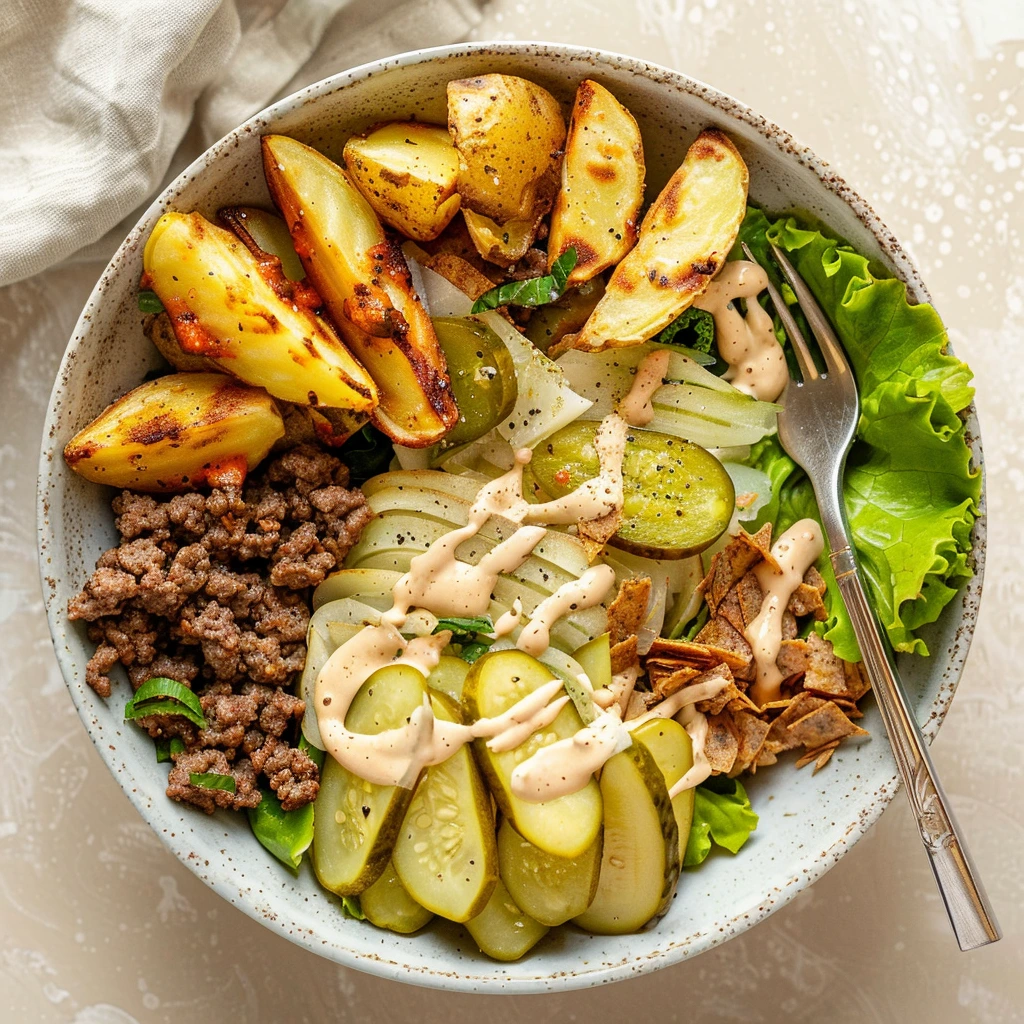
What Are Burger Bowls and Why They’re Perfect for Dinner
Understanding Burger Bowls
Burger bowls are essentially deconstructed burgers served in a bowl instead of between buns. This format gives you the flexibility to mix lean protein, fresh vegetables, and grains or greens, creating a balanced, nutrient-packed meal. They’re perfect for anyone who wants the flavor of a burger without all the carbs, and they’re endlessly customizable. You can make them spicy, cheesy, or even Mediterranean-style depending on your mood.
Essential Ingredients for Burger Bowls
Core Protein Options for Burger Bowls
The heart of any burger bowl is the protein. Ground beef is the classic choice, but lean alternatives like ground turkey, chicken, or even plant-based beef alternatives can work well. For extra flavor, consider mixing in herbs like parsley or spices like smoked paprika. Using high-quality protein ensures your bowl is both filling and satisfying while keeping dinner healthy.
| Protein | Serving Size | Tips |
|---|---|---|
| Ground Beef (90% lean) | 4 oz per person | Cook until browned; season with garlic, onion, salt & pepper |
| Ground Turkey | 4 oz per person | Adds leaner protein; absorb spices well |
| Chicken Sausage | 3 oz per person | Slice and lightly sear; pairs well with peppers |
| Plant-based beef | 4 oz per person | Great for vegetarian options; flavor absorbs sauces |
Vegetables and Toppings That Make Burger Bowls Pop
Veggies are where you get the crunch, color, and vitamins. Think fresh greens like romaine or baby spinach, roasted peppers, cherry tomatoes, cucumbers, and shredded carrots. Toppings like avocado, pickles, sautéed mushrooms, and onions add texture and flavor. A sprinkle of cheese—cheddar, feta, or mozzarella—makes the bowl feel indulgent without being heavy.
Pro Tip: Mixing raw and cooked vegetables keeps your burger bowl exciting and nutrient-rich.
Step-by-Step Cooking Instructions for Burger Bowls
Preparing the Protein
Start by cooking your chosen protein. For classic ground beef: heat a skillet over medium-high heat, add a drizzle of olive oil, then cook the beef until browned. Season with salt, pepper, garlic powder, and onion powder. For turkey or chicken alternatives, cook thoroughly while ensuring the meat remains juicy. Plant-based proteins should be lightly seared to develop a rich flavor.
Pro Tip: Use a spatula to break the meat into small, even pieces so it mixes well with the vegetables and toppings.
Prepping Vegetables and Grains
While the protein cooks, wash and chop fresh vegetables. Roasting some vegetables like bell peppers, zucchini, or mushrooms enhances flavor. For a more filling bowl, cook a grain base like quinoa, brown rice, or couscous. Layering grains under vegetables creates a hearty, fiber-rich base that complements the protein perfectly.
Assembling the Burger Bowl
- Start with the base: Add a layer of greens or grains in your bowl.
- Add the protein: Place your cooked ground beef, turkey, or chicken on top.
- Add vegetables and toppings: Include a mix of roasted and fresh vegetables, avocado, and cheese.
- Drizzle with sauce or dressing: Yogurt-based dressing, mustard, or a light vinaigrette work perfectly.
- Final touches: Sprinkle with fresh herbs, pickled onions, or a squeeze of lemon for extra flavor.
Tips for Meal Prep and Storage
Burger bowls are great for meal prep. Store cooked protein and grains separately in airtight containers. Keep fresh vegetables and toppings chilled. When ready to eat, assemble the bowl and add dressing. This keeps ingredients fresh, crunchy, and flavorful.
| Meal Prep Tips | Details |
|---|---|
| Protein Storage | Cooked protein can last 3-4 days in the fridge |
| Veggie Storage | Keep raw veggies separate to maintain crunch |
| Grain Storage | Cooked grains can last up to 5 days in airtight containers |
| Dressing | Store separately to avoid soggy vegetables |
Creative Variations of Burger Bowls
Classic American Burger Bowl
For a traditional twist without the bun, use seasoned ground beef, shredded cheddar, chopped lettuce, tomatoes, pickles, and onions. Top with a small drizzle of ketchup or mustard. This bowl gives all the classic flavors of your favorite burger in a healthier, low-carb format.
Pro Tip: Serve over brown rice or quinoa to make it extra filling while still keeping it balanced.
Mediterranean-Inspired Burger Bowl
Swap cheddar for feta cheese, add olives, cucumbers, cherry tomatoes, and a light tzatziki sauce. Use lean ground beef or turkey seasoned with oregano, garlic, and lemon. A base of mixed greens or couscous completes this Mediterranean twist.
Spicy Tex-Mex Burger Bowl
Add a kick with ground beef or chicken seasoned with chili powder, cumin, and paprika. Top with black beans, corn, diced tomatoes, jalapeños, avocado, and a sprinkle of shredded cheese. A light cilantro-lime dressing enhances the Tex-Mex flavors.
Low-Carb Keto-Friendly Burger Bowl
Focus on high-fat, low-carb ingredients like avocado, sautéed mushrooms, cheese, bacon alternatives (beef or turkey bacon), and leafy greens. Use a small amount of lean ground beef or chicken for protein, and top with sugar-free sauces or a creamy avocado dressing.
Vegetarian or Plant-Based Burger Bowl
Replace beef with plant-based crumbles, chickpeas, or lentil patties. Add roasted veggies, leafy greens, avocado, and a flavorful dressing. Sprinkle with seeds like pumpkin or sunflower for extra crunch and protein.
Seasonal or Holiday-Themed Burger Bowls
Experiment with seasonal vegetables like roasted squash in fall, grilled zucchini in summer, or roasted beets in winter. Pair with festive spices or themed toppings to make meals fun and visually exciting.
Tips for Customizing Your Burger Bowls
- Mix raw and cooked veggies for texture.
- Rotate proteins weekly for variety.
- Use herbs and spices to change flavor profiles without extra calories.
- Keep sauces light and fresh to enhance, not overpower, the natural ingredients.
Quick Swaps to Make Any Bowl Healthier
- Swap regular cheese for feta, mozzarella, or nutritional yeast.
- Use Greek yogurt-based dressings instead of creamy mayo sauces.
- Add grains like quinoa or farro to increase fiber.
- Use avocado for healthy fats instead of heavy dressings.
Burger Bowls: Healthy, Easy, and Filling Meals for Dinner
- Total Time: 30 minutes
Description
Enjoy all the flavors of a classic burger without the bun! These burger bowls combine juicy ground beef, fresh vegetables, healthy grains, and flavorful toppings for a satisfying lunch or dinner. Perfect for meal prep or a quick weeknight meal, they’re customizable, nutritious, and delicious.
Ingredients
1 lb (450g) lean ground beef (90% lean)
1 cup cooked quinoa or brown rice
2 cups fresh spinach or romaine lettuce
1 cup cherry tomatoes, halved
1 bell pepper, diced
1 avocado, sliced
½ cup shredded cheddar or feta cheese
½ cup pickled onions or cucumber slices
1–2 tbsp olive oil
1 tsp garlic powder
1 tsp onion powder
Salt & pepper, to taste
Optional: yogurt-based dressing or vinaigrette
Instructions
Cook the Protein: Heat olive oil in a skillet over medium-high heat. Add ground beef, season with garlic powder, onion powder, salt, and pepper. Cook until browned and fully cooked (160°F for beef).
Prepare the Base: Divide cooked quinoa or rice into 4 bowls. Add a layer of fresh spinach or romaine.
Add Vegetables & Toppings: Top with cherry tomatoes, bell peppers, avocado, pickled onions, and cheese.
Assemble the Bowl: Place cooked ground beef over the vegetables. Drizzle with your favorite light dressing or vinaigrette.
Serve: Garnish with fresh herbs or seeds, and enjoy immediately.
Notes
Meal Prep Friendly: Store protein, grains, and vegetables separately for up to 4 days. Assemble before eating to keep vegetables fresh.
Flavor Boost: Roast vegetables like peppers or mushrooms for extra depth.
Low-Carb Option: Replace grains with extra greens or cauliflower rice.
Kid-Friendly: Let kids pick their toppings for a fun, customizable meal.
- Prep Time: 15 minutes
- Cook Time: 15 minutes
Common Mistakes to Avoid When Making Burger Bowls
Overcooking the Protein
One of the biggest mistakes is overcooking the meat, leaving it dry and tough. Ground beef, turkey, or chicken should be cooked just until browned and fully cooked, then removed from heat immediately. Overcooked protein can ruin the texture and make your burger bowl less enjoyable.
Using Too Many Heavy Sauces
A healthy burger bowl can quickly become calorie-heavy if you drown it in creamy or sugary sauces. Opt for light yogurt-based dressings, mustard, or homemade vinaigrettes. Keep sauces separate if serving for meal prep to avoid soggy vegetables.
Ignoring Vegetable Variety
Relying on a single vegetable like lettuce leaves your bowl bland and low in nutrients. Mix raw and roasted vegetables, and include a variety of colors for flavor, texture, and a wider range of vitamins and minerals.
Skipping Meal Prep Steps
Not prepping grains, protein, or vegetables ahead of time can make assembly stressful and messy. Pre-cooking and chopping ingredients ensures faster weeknight dinners and maintains flavor and texture.
Overloading Carbs or Cheese
While grains and cheese are delicious, overdoing them can unbalance the meal. Stick to moderate portions of brown rice, quinoa, or cheese to keep the bowl nutritious and satisfying without extra calories.
Forgetting Fresh Toppings
Toppings like avocado, fresh herbs, or pickles elevate flavor and texture. Skipping them makes the bowl less exciting. Even a small sprinkle of herbs or seeds can add visual appeal and crunch.
Not Customizing for Dietary Needs
Everyone’s preferences differ—some prefer low-carb, others need extra protein. Customize protein, grains, vegetables, and sauces to match dietary goals. Ignoring customization can make the meal less enjoyable or not suitable for certain diets.
Neglecting Proper Storage
Failing to store ingredients separately for meal prep can result in soggy greens and bland protein. Keep grains, proteins, vegetables, and sauces in separate airtight containers and assemble just before eating.
Relying on One Flavor Profile
Sticking to the same spices and sauces every time can make burger bowls repetitive. Rotate seasonings, toppings, and sauces to keep meals exciting and flavorful week after week.
Frequently Asked Questions
Can I make burger bowls ahead of time?
Yes! Burger bowls are perfect for meal prep. Store protein, grains, and vegetables separately in airtight containers. Assemble just before eating and add sauces or dressings to keep everything fresh and crisp.
Are burger bowls suitable for a low-carb diet?
Absolutely. You can replace grains with extra leafy greens, cauliflower rice, or zucchini noodles. Focus on protein, vegetables, and healthy fats to keep your burger bowl low in carbs while still filling.
Can I make burger bowls vegetarian or vegan?
Yes! Swap ground beef for plant-based crumbles, chickpeas, lentils, or tofu. Add roasted vegetables, fresh greens, and dairy-free sauces to create a fully vegetarian or vegan-friendly bowl that’s just as satisfying.
What are some healthy toppings for burger bowls?
Healthy toppings include avocado slices, roasted or raw vegetables, pickles, fresh herbs, seeds (like pumpkin or sunflower), and small amounts of cheese. Avoid heavy, creamy sauces to keep the bowl balanced.
How do I make my burger bowl more flavorful without extra calories?
Use herbs, spices, and acidic ingredients like lemon juice or vinegar. Roasting vegetables enhances their natural sweetness, and lightly toasting seeds adds crunch and depth without adding unhealthy fats.
Conclusion
Burger bowls are the ultimate combination of flavor, nutrition, and convenience. By swapping the traditional bun for a base of grains or leafy greens, you get all the satisfaction of a classic burger while keeping meals healthy and filling. Whether you’re enjoying a quick weeknight dinner, meal-prepping for the week, or experimenting with seasonal vegetables and sauces, burger bowls are endlessly customizable and fun to make.