
Tuna pasta salad has a funny way of showing up exactly when you need it. It is the dish you throw together on a busy weekday, yet it somehow tastes like you planned ahead. Creamy or light, chilled or freshly mixed, tuna pasta salad keeps things simple without ever feeling boring.
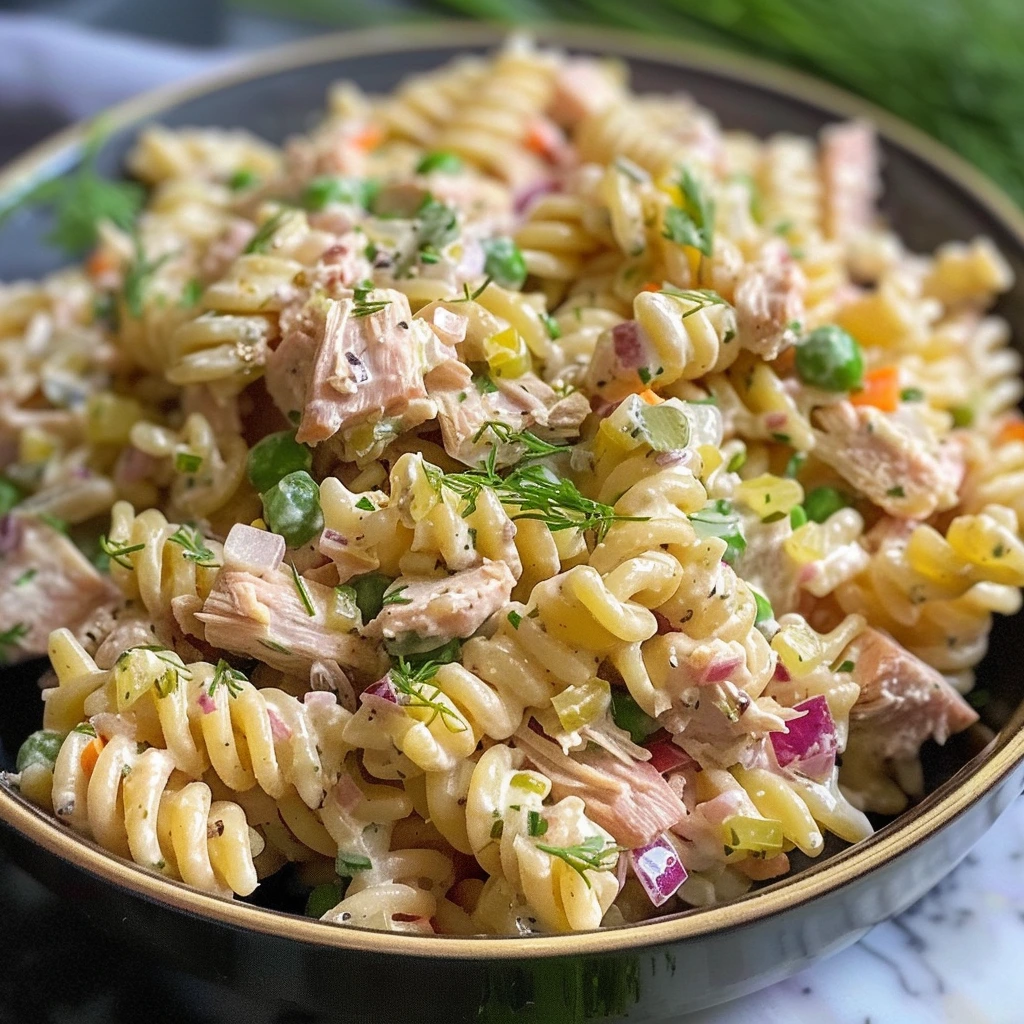
Why Tuna Pasta Salad Works for Lunch and Meal Prep
Tuna pasta salad fits perfectly into lunch routines because it stores well, travels easily, and tastes better after chilling. Since cold pasta tuna salad recipes are easy to portion, they work especially well for meal prep. You can make a large bowl once and enjoy it throughout the week without sacrificing flavor.
Selecting Tuna, Peas, and Fresh Add-Ins
Next comes tuna, the star of the show. Solid white albacore packed in water delivers clean flavor and firm texture, although chunk light tuna works just fine for budget-friendly meals. Drain it well, because excess liquid waters down the dressing.
Peas add subtle sweetness and color, which explains why tuna pea pasta salad remains a favorite. Frozen peas work best since they thaw quickly and keep a gentle bite. Meanwhile, celery, red onion, and fresh herbs brighten the dish and prevent heaviness. When combined thoughtfully, these ingredients turn a simple pasta tuna salad recipe easy enough for weekdays into something worth repeating.
Tuna Pasta Salad Ingredients Table
Below is a balanced ingredient list that works for both creamy and no-mayo versions. This flexible setup allows easy swaps without sacrificing flavor.
| Ingredient | Amount | Purpose |
|---|---|---|
| Short pasta (rotini or shells) | 12 oz | Base texture and structure |
| Canned tuna, drained | 2 cans (5 oz each) | Protein and flavor |
| Frozen peas, thawed | 1 cup | Sweetness and color |
| Celery, diced | ½ cup | Crunch and freshness |
| Red onion, finely chopped | ¼ cup | Sharp contrast |
| Mayonnaise or Greek yogurt | ¾ cup | Creamy binder |
| Dijon mustard | 1 tbsp | Depth and balance |
| Lemon juice | 1–2 tbsp | Brightness |
| Salt and black pepper | To taste | Seasoning |
| Fresh dill or parsley | 2 tbsp | Fresh finish |
Because this ingredient list stays flexible, it supports both classic tuna pasta salad recipe lovers and those seeking lighter alternatives.
Creamy vs No Mayo Tuna Pasta Salad Options
One reason tuna pasta salad stays popular is choice. Some people crave creamy comfort, while others prefer something lighter and tangy. Thankfully, both styles work beautifully with the same base ingredients.
Creamy Tuna Pasta Salad Ingredients Explained
Creamy tuna pasta salad ingredients usually start with mayonnaise, yet balance is key. Too much dressing overwhelms the tuna, while too little leaves the salad dry. Mixing mayonnaise with a bit of Dijon mustard and lemon juice creates a smoother, brighter dressing.
How to Make Tuna Pasta Salad Recipes No Mayo
For tuna pasta salad recipes no mayo, swaps matter. Greek yogurt, mashed avocado, or olive oil with lemon juice create lighter dressings that still coat the pasta evenly. These alternatives shine in warm weather when heavy sauces feel less appealing.
Because oil-based dressings absorb better after chilling, no-mayo versions often taste better the next day. As a result, they are ideal for meal prep and picnics. With the right seasoning, even mayo-free tuna pasta salad stays satisfying and full of flavor, proving that simple changes can refresh a classic without losing its soul.
Step-by-Step Tuna Pasta Salad Recipe Guide
Making tuna pasta salad doesn’t have to be complicated. With a few simple steps, you can create a dish that’s creamy, flavorful, and perfect for any lunch or gathering. Follow this guide to get it right every time.
Tuna Pasta Salad Recipe Steps Made Simple
Here’s a straightforward method that works for both creamy and no-mayo versions:
- Cook the pasta – Bring a large pot of salted water to a boil. Add your chosen pasta (rotini, shells, or elbows) and cook until al dente. Drain and rinse under cold water to stop the cooking process and cool the pasta for a chilled salad.
- Prepare the tuna – Drain canned tuna thoroughly to avoid watery salad. Flake it gently with a fork for even distribution.
- Mix the vegetables – In a large bowl, combine thawed peas, diced celery, and finely chopped red onion. For extra freshness, add chopped fresh dill or parsley.
- Make the dressing – For a creamy version, mix mayonnaise, Dijon mustard, lemon juice, salt, and black pepper. For a no-mayo option, substitute Greek yogurt or a simple olive oil-lemon dressing.
- Combine pasta and dressing – Toss the cooled pasta with tuna, vegetables, and dressing until everything is evenly coated. Taste and adjust seasoning as needed.
- Chill before serving – Refrigerate for at least 30 minutes to let flavors meld. This step enhances both creamy and no-mayo versions, making the salad more flavorful.
- Optional finishing touches – Sprinkle additional fresh herbs or a pinch of paprika before serving for color and flavor.
Try our Autumn Harvest Honeycrisp Apple & Feta Salad for more quick recipe ideas that are perfect for meal prep.
Print
Tuna Pasta Salad Recipe That Never Gets Boring
- Total Time: 55 minutes (Chilling Time: 30 minutes)
Description
A refreshing, protein-packed tuna pasta salad perfect for lunch, meal prep, or summer gatherings. Creamy, flavorful, and loaded with tender pasta, sweet peas, crunchy celery, and flaky tuna. Choose a creamy dressing or a lighter no-mayo version to suit your taste.
Ingredients
12 oz short pasta (rotini or shells)
2 cans (5 oz each) tuna, drained
1 cup frozen peas, thawed
½ cup celery, diced
¼ cup red onion, finely chopped
¾ cup mayonnaise or Greek yogurt
1 tbsp Dijon mustard
1–2 tbsp lemon juice
Salt and black pepper, to taste
2 tbsp fresh dill or parsley
Instructions
Cook pasta according to package instructions until al dente, then rinse with cold water.
Flake tuna and set aside.
Combine peas, celery, red onion, and fresh herbs in a large bowl.
Whisk together mayonnaise (or Greek yogurt), Dijon mustard, lemon juice, salt, and pepper.
Add pasta and tuna to the vegetable mix and toss with dressing until fully coated.
Chill for at least 30 minutes before serving for best flavor.
Garnish with extra herbs or a sprinkle of paprika, if desired.
Notes
Use al dente pasta to prevent mushy texture.
Drain tuna thoroughly to avoid watery salad.
Make ahead: Keep chilled up to 3 days for easy meal prep.
Swap mayo with Greek yogurt or olive oil for a lighter version.
Add extra vegetables like cherry tomatoes or bell peppers for color and crunch.
- Prep Time: 15 minutes
- Cook Time: 10 minutes
Serving, Storing, and Make-Ahead Tips
Tuna pasta salad is as versatile as it is tasty. From casual lunches to summer picnics, knowing how to serve, store, and prep ahead makes all the difference. This section will help you get the most out of your salad while keeping it fresh and flavorful.
How to Serve Tuna Pasta Salad for Lunch or Gatherings
Tuna pasta salad works well on its own or as part of a larger spread:
- Individual servings: Portion into small bowls or mason jars for lunchboxes.
- Family-style: Serve in a large salad bowl with a sprinkle of fresh herbs on top for color.
- Garnish options: Add a few slices of cucumber, cherry tomatoes, or a sprinkle of paprika to make it visually appealing.
- Pairing ideas: Works great alongside sandwiches, grilled chicken, or even simple crackers.
Serving the salad chilled enhances its refreshing flavors, especially during warmer months.
Storage, Chilling, and Food Safety Tips
Proper storage ensures the salad stays safe and delicious:
- Refrigeration: Store tuna pasta salad in an airtight container for up to 3 days.
- Layering tip: If making in advance, mix pasta and dressing first, then fold in tuna and vegetables. This prevents the pasta from becoming soggy.
- Transport tips: For picnics or lunches, keep chilled in a cooler or insulated lunch bag.
- Food safety: Always use fresh tuna and keep the salad cold. Avoid leaving it at room temperature for more than 2 hours.
Following these simple tips helps keep your tuna pasta salad fresh, flavorful, and safe to eat.
Frequently Asked Questions About Tuna Pasta Salad
Even a simple dish like tuna pasta salad sparks questions. Whether you’re curious about storage, ingredient swaps, or prep tips, these FAQs cover the most common queries from home cooks and salad lovers.
Can Tuna Pasta Salad Be Made Ahead of Time?
Absolutely! Tuna pasta salad is perfect for meal prep or entertaining in advance. Prepare the pasta and dressing first, then fold in tuna and vegetables just before serving or a few hours ahead. Make sure to chill the salad in an airtight container to maintain freshness. This approach works for both creamy and no-mayo versions.
How Long Does Tuna Pasta Salad Last in the Fridge?
When properly stored in an airtight container, tuna pasta salad lasts up to 3 days in the refrigerator. Beyond this, pasta may become soggy, and flavors may lose their freshness. For longer storage, consider making smaller batches to maintain the best taste and texture.
What Can I Use Instead of Mayonnaise?
For those who prefer a lighter option, you can replace mayonnaise with:
- Greek yogurt (adds creaminess and tang)
- Olive oil and lemon juice (for a lighter, oil-based dressing)
- Mashed avocado (for a creamy, nutrient-rich alternative)
These swaps allow you to enjoy tuna pasta salad recipes no mayo without sacrificing flavor or texture.
Is Tuna Pasta Salad Eaten Cold or Warm?
Tuna pasta salad is traditionally eaten cold, making it ideal for summer lunches, potlucks, or meal prep. Chilling the salad allows the flavors to meld and keeps the pasta and vegetables crisp. Warm versions are less common and may result in softer textures that don’t highlight the fresh ingredients.
Conclusion
Tuna pasta salad is a dish that never goes out of style. It’s simple, versatile, and full of flavor—perfect for busy lunches, potlucks, or easy dinners. With just a few pantry staples like pasta, canned tuna, and peas, you can create a meal that is both satisfying and adaptable to different tastes. Whether you prefer a creamy tuna pasta salad or a lighter no-mayo version, this recipe is a reliable crowd-pleaser.