
If breakfast had a superstar, it would be the humble egg—but why settle for plain scrambled or fried eggs when you can enjoy baked French eggs straight from the oven, with a touch of Parmesan, a hint of herbs, and zero fuss? This classic French egg dish is elegant enough to impress guests yet simple enough for a lazy Sunday morning.
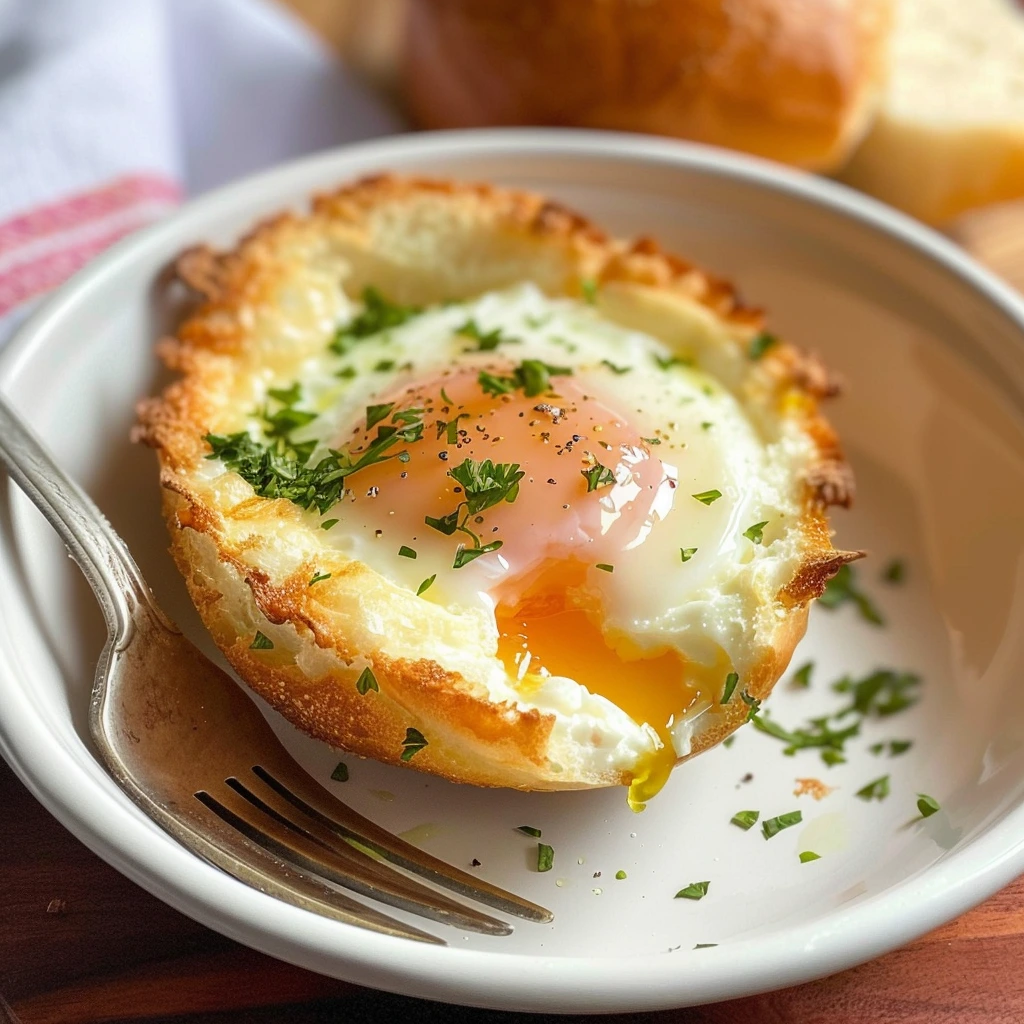
Table of Contents
What Are Baked French Eggs?
Baked French eggs are a classic French breakfast preparation where eggs are gently baked in small dishes or muffin tins, often with cream, cheese, and herbs. Unlike scrambled or fried eggs, baking gives them a silky, custard-like texture, making them creamy and rich without extra effort. This method allows for endless variations, from adding Parmesan or cheddar to fresh vegetables, herbs, or even light meats like turkey bacon.
Essential Ingredients for Baked French Eggs
Core Ingredients You’ll Need for the Perfect Baked French Eggs
To make your baked French eggs creamy, flavorful, and golden on top, you’ll need just a few key ingredients. Start with fresh eggs, preferably large, as they provide the silky texture baked eggs are known for. Adding a touch of milk or cream gives that rich custard-like consistency, while Parmesan cheese or another favorite cheese adds depth and a lightly savory crust. Don’t forget a pinch of salt, black pepper, and fresh herbs like parsley or chives to bring the dish to life.
Core ingredients table:
| Ingredient | Amount | Purpose |
|---|---|---|
| Eggs | 6 large | Base for baked eggs |
| Heavy cream or milk | 1/4 cup | Adds creaminess |
| Parmesan cheese | 1/4 cup, grated | Savory, golden topping |
| Salt & pepper | To taste | Seasoning |
| Fresh herbs | 1-2 tbsp | Aroma & freshness |
| Olive oil or butter | 1 tsp | Greasing ramekins/muffin tin |
Optional Ingredients and Variations
Once you’ve mastered the classic recipe, you can experiment with additional flavors and textures. Popular easy French egg dish variations include:
- Vegetables: diced bell peppers, spinach, or mushrooms for a lighter, nutritious twist
- Meats: turkey bacon, chicken sausage, or lean ham alternatives
- Cheese: cheddar, feta, or Gruyère for a richer, layered flavor
- Spices: paprika, garlic powder, or nutmeg to complement the egg custard
Incorporating these variations keeps your oven-baked eggs exciting and adaptable for different dietary preferences, including vegetarian or high-protein breakfasts.
Tips for Selecting Ingredients
- Fresh eggs: fresher eggs hold their shape better and result in a smoother texture.
- Cheese quality: freshly grated Parmesan melts better than pre-shredded, creating a crisp, golden top.
- Cream vs milk: cream gives richness; milk creates lighter baked eggs. You can even combine both for balance.
Step-by-Step Preparation of Baked French Eggs
Preheat and Prepare Your Baking Tools
Before touching the eggs, preheat your oven to 375°F (190°C). Use either a muffin tin or individual ramekins for perfectly portioned baked French eggs. Lightly grease each cup with butter or olive oil to prevent sticking. If you like, line the muffin cups with parchment paper for easy cleanup. Preparing your tools ensures even cooking and a smooth, golden finish on your easy oven-baked eggs.
Whisking Eggs and Cream for the Perfect Base
In a medium bowl, crack your eggs and add 1/4 cup of milk or cream. Whisk together until fully combined, then season with salt, pepper, and optional herbs like chives or parsley. This creates the silky custard base that distinguishes baked French eggs from scrambled eggs. For a fluffier texture, whisk briskly to incorporate air.
Adding Cheese, Vegetables, and Optional Ingredients
Once the eggs are well mixed, gently fold in grated Parmesan or your favorite cheese. If using vegetables, lightly sauté them before adding to prevent extra moisture from making the eggs watery. For egg muffins, you can even add small pieces of turkey bacon or chicken sausage for protein-rich breakfast options. Remember, layering ingredients evenly in each ramekin ensures consistent flavor in every bite.
Pouring and Baking the Eggs
Carefully pour the egg mixture into the prepared muffin tin or ramekins, filling each about three-quarters full. Sprinkle a little extra cheese on top for a golden crust. Bake in the preheated oven for 15–20 minutes, or until the eggs are set but slightly jiggly in the center. Avoid overcooking, as this can dry out the custard texture.

Checking for Doneness and Serving Tips
To test doneness, insert a toothpick in the center; it should come out clean or slightly moist. Serve warm with fresh herbs or a side of toast. These easy French egg dishes can also be paired with fruit, roasted vegetables, or light breakfast sides like Greek yogurt bagels.
Looking for inspiration? Try pairing with Greek Yogurt Bagels for a complete breakfast experience.
Tips and Tricks for the Best Baked French Eggs
How to Achieve Silky, Creamy Baked Eggs Every Time
One of the secrets to perfect baked French eggs is controlling the texture. Make sure to whisk your eggs and cream thoroughly, but don’t overdo it—over-whisking can cause bubbles and uneven cooking. Bake at a consistent temperature (around 375°F / 190°C) to ensure even cooking. For a creamier result, you can add a spoonful of cottage cheese or Greek yogurt to each ramekin before baking.
Discover great ideas like adding cottage cheese to enhance creaminess here.
Common Mistakes to Avoid
Even seasoned cooks can make mistakes that affect the final dish. Here are some tips:
- Overfilling ramekins or muffin tins: Eggs expand slightly during baking; overfilling leads to overflow.
- Skipping preheating: Always preheat your oven to ensure eggs cook evenly.
- Using low-quality cheese: Freshly grated cheese melts better and creates a golden crust.
- Neglecting seasoning: Eggs need a bit of salt and pepper to taste balanced and flavorful.
Adjusting Cooking Time for Different Textures
The cooking time affects texture:
- Soft, custardy eggs: Bake 15 minutes, slightly jiggly in the center.
- Firm eggs: Bake 18–20 minutes for fully set eggs.
- Extra golden tops: Broil the last 1–2 minutes for a crisp cheese finish.
Herb and Spice Pairings for Flavor Boost
Enhancing flavor doesn’t have to be complicated. Fresh herbs like parsley, chives, or tarragon work beautifully, while spices like paprika or nutmeg give subtle warmth. For those experimenting with egg muffins, adding roasted red pepper, spinach, or caramelized onions can create a restaurant-style experience at home.
Make Ahead and Storage Tips
Baked French eggs can be prepared in advance and stored in the fridge for up to 3 days. Reheat gently in a low oven or microwave to preserve the creamy texture. If you’re making meal prep-friendly egg muffins, consider freezing them individually in airtight containers for up to a month.
Meal Prep and Storage Tips for Baked French Eggs
Preparing Baked French Eggs Ahead of Time
One of the biggest advantages of baked French eggs is their convenience. You can prep ingredients the night before: whisk eggs, cream, and seasoning, chop vegetables, and grate cheese. Store all components separately in the fridge, then assemble and bake in the morning for a fresh, effortless breakfast. This makes them perfect for busy mornings or family brunches.
Storing Baked Eggs Safely
After baking, let the eggs cool slightly, then cover tightly with plastic wrap or place in an airtight container. Refrigerate for up to 3 days. This ensures the eggs maintain their creamy texture while staying safe to eat. Avoid leaving baked eggs at room temperature for more than two hours to prevent bacterial growth.
Freezing for Later
If you want to prep for the week or freeze for future breakfasts, baked French eggs in muffin tins freeze beautifully:
- Cool completely, then wrap each muffin in plastic wrap
- Store in a freezer-safe bag or container for up to 1 month
- Reheat in a 350°F oven for 10–15 minutes or microwave gently to avoid overcooking
Reheating Without Losing Texture
To reheat baked eggs without drying them out:
- Oven method: Wrap in foil and bake at 325°F for 10–12 minutes
- Microwave method: Cover loosely with a microwave-safe lid and heat in 30-second intervals until warm
These methods preserve the creamy custard-like texture that makes baked French eggs so delightful.
Meal Prep Tips for Egg Muffins
For egg muffins, prep multiple batches in one go:
- Use silicone muffin liners for easy removal
- Freeze baked muffins individually before combining into a container
- Label with date and flavor variations for easy access
Meal prepping this way makes breakfast effortless during busy workdays or school mornings.
Don’t miss our guide to meal prep with egg casseroles for more breakfast prep ideas.
FAQs and Conclusion
Frequently Asked Questions About Baked French Eggs
1. What is the best way to bake French eggs without overcooking?
Bake at a moderate temperature, around 375°F (190°C), and check for doneness at 15 minutes. Eggs should be slightly jiggly in the center to retain a silky, custard-like texture. Avoid baking too long, or the eggs may dry out.
2. Can I make baked French eggs in a muffin tin instead of ramekins?
Yes! Muffin tins work perfectly for portioned egg muffins. Lightly grease the cups, fill three-quarters full, and adjust baking time slightly to ensure even cooking.
3. Are baked French eggs healthy for breakfast?
Absolutely. They are high in protein, contain healthy fats, vitamins, and minerals, and can be customized with vegetables or lean meats. They are also naturally low in carbs, making them suitable for a variety of diets.
4. Can I make baked French eggs ahead of time for meal prep?
Yes! Bake them in advance and store in an airtight container in the fridge for up to three days. For longer storage, freeze individual portions and reheat gently in the oven or microwave.
5. What variations can I add to baked French eggs?
You can add vegetables like spinach or bell peppers, cheeses like feta or Gruyère, or meats such as turkey sausage or turkey bacon. Herbs, spices, and seasonal ingredients also make great flavor variations.
Conclusion
Baked French eggs are an easy, elegant, and nutritious breakfast option that can be customized to suit your taste, dietary needs, or the season. Whether served as egg muffins for meal prep, a solo ramekin for a lazy weekend breakfast, or a protein-packed dish paired with vegetables, these eggs are versatile, satisfying, and delicious.

Baked French Eggs: Easy, Flavorful Oven-Baked Egg Breakfast
- Total Time: 25–30 minutes
Description
Start your morning with this creamy, flavorful Baked French Eggs recipe. Silky eggs baked in ramekins with Parmesan cheese, fresh herbs, and optional vegetables or lean meats make a wholesome and elegant breakfast. Perfect for meal prep, brunch, or a cozy weekend treat!
Ingredients
6 large eggs
1/4 cup milk or heavy cream
1/4 cup grated Parmesan cheese
1 tsp butter or olive oil (for greasing)
Salt and pepper, to taste
1–2 tbsp fresh herbs (chives, parsley, or tarragon)
Optional add-ins: diced bell peppers, spinach, mushrooms, turkey bacon, or chicken sausage
Instructions
Preheat oven: Preheat to 375°F (190°C). Grease 4 ramekins or a muffin tin with butter or olive oil.
Whisk eggs: In a bowl, whisk eggs with milk or cream. Season with salt, pepper, and herbs.
Add extras: Fold in cheese and optional vegetables or meats.
Pour and bake: Pour mixture into ramekins (about 3/4 full). Sprinkle extra Parmesan on top. Bake 15–20 minutes until eggs are set but slightly jiggly.
Serve: Garnish with extra herbs if desired and enjoy warm.
Notes
Don’t overfill ramekins; eggs expand slightly while baking.
For a creamier texture, add a spoonful of cottage cheese or Greek yogurt.
Avoid overbaking to keep the custard-like texture smooth.
Customize with your favorite vegetables, herbs, or lean protein.
Make-ahead: Bake in advance and refrigerate for up to 3 days, or freeze individual portions for quick breakfasts.
- Prep Time: 10 minutes
- Cook Time: 15–20 minutes
Nutrition
- Serving Size: 4