
Creole Cornbread is the kind of recipe that doesn’t rush in making noise, yet somehow ends up being the first thing gone. It starts simply enough with cornmeal and a few everyday ingredients, but then Louisiana logic steps in and says, “Let’s make this better.” A handful of chopped vegetables, a touch of seasoning, and suddenly the batter has a personality.
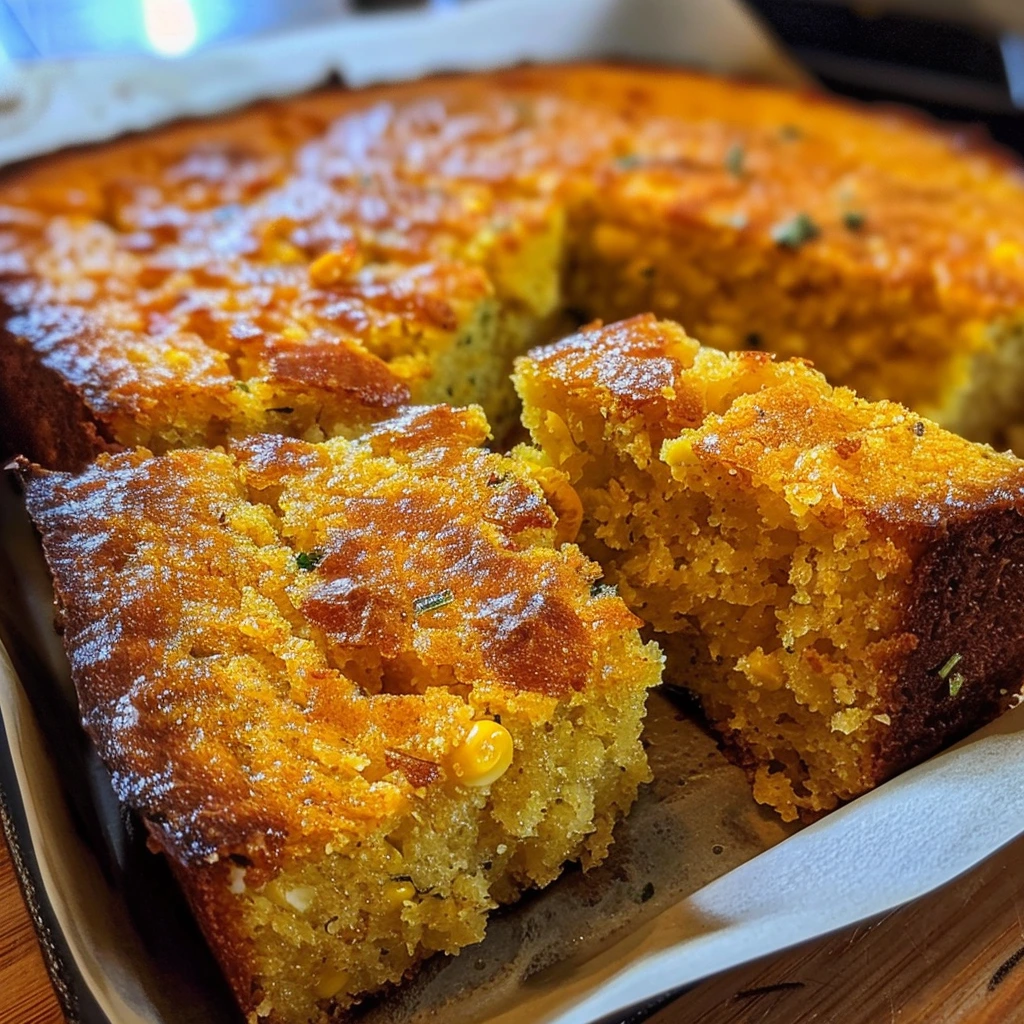
Table of Contents
What Is Creole Cornbread and Why It’s So Loved
The origins of Creole cornbread in Louisiana cooking
Creole Cornbread comes from Louisiana kitchens where cooks relied on cornmeal and made the most of what they had. Over time, simple cornbread picked up Creole influence with the addition of onions, peppers, and light seasoning. As a result, it became more savory and moist than many basic Southern versions. This style of cornbread was never meant to be fancy. Instead, it was made to support hearty meals and bring comfort to the table.
Creole Cornbread Ingredients That Build Authentic Flavor
Core pantry ingredients for Creole cornbread
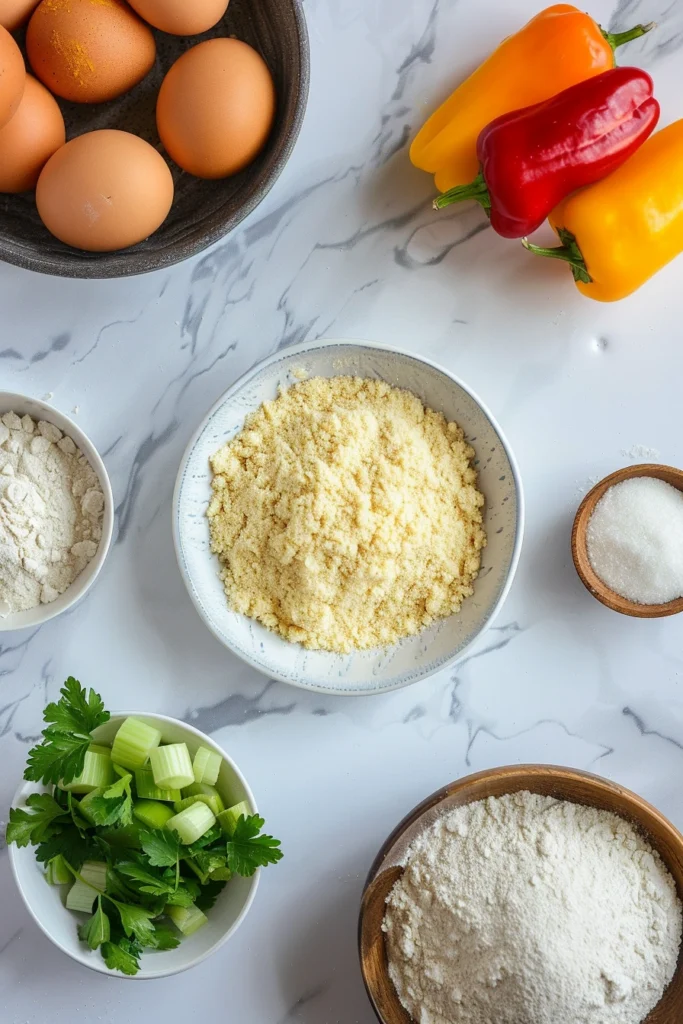
Creole Cornbread starts with simple ingredients, yet each one plays a clear role in the final texture and taste. Cornmeal gives the bread its classic Southern structure, while a small amount of flour softens the crumb. Eggs hold everything together, and milk or buttermilk keeps the cornbread moist. Butter or vegetable oil adds richness without masking the natural corn flavor. Because this is a savory Louisiana-style recipe, sugar is minimal or completely optional.
Optional vegetables and spices used in Louisiana cornbread
What separates Creole Cornbread from other Southern versions is the use of vegetables and gentle seasoning. Onion and bell pepper add moisture and depth, while celery brings a subtle background flavor. The spices stay simple, allowing the corn and vegetables to shine instead of competing for attention. Together, these ingredients create a balanced, comforting bread that fits naturally into traditional Southern meals.
Creole Cornbread Ingredients Table
| Ingredient | Purpose in Creole Cornbread |
|---|---|
| Cornmeal | Forms the base and classic cornbread texture |
| All-purpose flour | Softens the crumb and adds structure |
| Eggs | Bind ingredients and add richness |
| Milk or buttermilk | Adds moisture and tenderness |
| Butter or vegetable oil | Enhances flavor and prevents dryness |
| Onion (finely chopped) | Adds savory depth and aroma |
| Bell pepper (finely chopped) | Provides moisture and mild sweetness |
| Celery (optional) | Adds subtle Louisiana-style flavor |
| Salt | Balances and enhances all ingredients |
| Black pepper | Adds gentle warmth without heat |
| Garlic powder (optional) | Boosts savory flavor |
How Creole Cornbread Fits into Traditional Southern Food
Creole cornbread in everyday Southern meals
Creole Cornbread is not a special-occasion bread. Instead, it shows up on regular weeknight tables, right next to the main dish. In many Southern homes, it’s served warm with butter and used to soak up sauces, gravies, and rich cooking juices. Because it’s savory and moist, it pairs naturally with comforting meals and doesn’t compete with bold flavors. Over time, this practicality is exactly why Creole Cornbread became part of everyday Southern food rather than something saved for holidays.
If you enjoy dishes that work the same way at the table, discover great ideas like green bean casserole, which is often served alongside classic Southern breads for a balanced, satisfying meal.
When Creole cornbread is served in Louisiana kitchens
In Louisiana, Creole Cornbread often appears whenever a meal includes a saucy or slow-cooked dish. It’s commonly baked while the main food finishes cooking, so everything reaches the table warm. Because the bread holds together well, it’s also used to scoop and mop without falling apart. That practical quality makes it especially popular for family-style meals where sharing and passing dishes is part of the experience. Whether baked in a skillet or a simple pan, Creole Cornbread continues to earn its place as a reliable and beloved Southern side.
Step-by-Step Creole Cornbread Recipe Overview
Preparing the batter the Creole way
Making Creole Cornbread is easier than it sounds when you follow clear steps. Here’s a step-by-step guide to get it right every time:
- Preheat your oven to 400°F (200°C) and lightly grease a cast-iron skillet or baking pan.
- Mix dry ingredients: In a large bowl, combine 1 cup cornmeal, ½ cup all-purpose flour, 1 teaspoon salt, and ½ teaspoon black pepper.
- Combine wet ingredients: In another bowl, whisk 2 large eggs with 1 cup milk or buttermilk and ¼ cup melted butter or vegetable oil.
- Combine wet and dry: Pour the wet mixture into the dry ingredients. Stir gently until smooth but still slightly lumpy.
- Add vegetables: Fold in ½ cup finely chopped onions, ½ cup bell peppers, and ¼ cup celery if desired.
- Check consistency: Batter should be thick but pourable. Adjust with a splash of milk if too stiff.
Baking methods for moist, golden cornbread
- Pour batter into skillet: Spread evenly, smoothing the top with a spatula.
- Bake: Place in the oven for 20–25 minutes, or until golden brown. Check doneness with a toothpick in the center—it should come out clean.
- Cool briefly: Let it rest 5–10 minutes so it holds its shape when sliced.
- Serve: Cut into wedges and enjoy warm with butter, soups, or stews.
For a creative twist, you can also try Creole Cornbread in a casserole style or with additional mix-ins. Don’t miss our Green Bean Casserole for serving ideas alongside this classic bread.
Creole Cornbread Variations You’ll Want to Try
Skillet-style Creole cornbread
The classic method of making Creole Cornbread is in a cast-iron skillet. This approach gives the bread a crisp, golden crust while keeping the center soft and moist. To make it extra flavorful, some cooks lightly sauté the onions and bell peppers in butter before folding them into the batter. Skillet-style cornbread is perfect for serving alongside soups, stews, or Louisiana-style BBQ dishes, as the edges provide a satisfying crunch that complements rich sauces.
Cornbread casserole–style Creole recipes
If you prefer a softer, more uniform texture, Creole Cornbread can also be baked as a casserole. Pour the batter into a greased baking dish and smooth the top. You can even layer in additional ingredients like cooked corn kernels, chopped tomatoes, or shredded cheese for extra flavor and moisture. This version is ideal for family meals or gatherings because it serves larger portions and reheats well without losing its soft, tender crumb.
Looking for inspiration? Try our Dill Pickle Bread Recipe for another creative bread variation that pairs well with classic Southern meals.
Common Mistakes When Making Creole Cornbread
Why cornbread turns dry or crumbly
One of the most common problems with Creole Cornbread is dryness. This usually happens when the batter is overmixed or the oven temperature is too high. Overmixing activates gluten in the flour, creating a dense, crumbly texture instead of a tender loaf. Another culprit is using the wrong ratio of wet to dry ingredients. Always measure carefully and fold the wet and dry ingredients gently to maintain a light, moist crumb.
How to balance spice and texture correctly
Creole Cornbread is all about subtle, savory flavors. Too much seasoning can overpower the corn, while too little can make it bland. Start with basic salt, pepper, and optional garlic powder, then adjust in small increments. For texture, incorporating finely chopped onions, bell peppers, or celery adds moisture without changing the traditional flavor profile. Using these simple techniques ensures your cornbread stays moist, flavorful, and authentically Creole every time.
Don’t miss our New Orleans BBQ Shrimp Recipe for a perfect pairing that shows how Creole Cornbread complements bold, saucy dishes.
Storing, Freezing, and Reheating Creole Cornbread
Best storage practices for freshness
To keep your Creole Cornbread fresh, allow it to cool completely after baking. Wrap it tightly in plastic wrap or store it in an airtight container at room temperature for up to 2 days. Avoid leaving it exposed to air, as that can quickly dry out the bread and affect its moist texture. For slightly longer storage, keeping it in the refrigerator can extend its life up to 5 days, but always reheat gently to restore softness.
Freezing and reheating without losing texture
Creole Cornbread freezes exceptionally well. Slice it into wedges or keep it whole, wrap it tightly in aluminum foil or plastic wrap, and place it in a freezer-safe bag. It will keep for up to 3 months. When ready to enjoy, thaw at room temperature for 1–2 hours, then reheat in a preheated oven at 350°F (175°C) for 10–15 minutes. For extra crisp edges, reheat in a lightly greased skillet over medium heat. This method preserves the moist interior while giving the exterior a satisfying golden finish, making your cornbread taste almost as good as fresh from the oven.
Creole Cornbread FAQs (People Also Ask)
Is Creole cornbread sweet or savory?
Creole Cornbread is traditionally savory, with just a hint of sweetness if any sugar is added. The focus is on the corn flavor, vegetables like onions and bell peppers, and light seasoning, making it perfect for pairing with hearty Southern dishes.
What makes Creole cornbread different from Cajun cornbread?
While both are Louisiana classics, Cajun cornbread tends to be more rustic, often drier and simpler. Creole Cornbread, on the other hand, is moist, slightly richer, and includes vegetables and gentle seasonings that give it a more balanced flavor profile.
Can Creole cornbread be made without sugar?
Yes. Many authentic recipes skip sugar entirely to emphasize the savory elements. The cornmeal, vegetables, and butter provide plenty of natural flavor, so sugar is optional.
Can Creole cornbread be baked without a cast iron skillet?
Absolutely. While a cast iron skillet gives a crisp, golden crust, you can also use a greased baking dish. The texture will be slightly softer, but the flavor remains authentic and delicious.
Conclusion
Creole Cornbread is a timeless Southern favorite that brings Louisiana flavor to any meal. From its savory vegetables to its moist, golden crumb, it’s versatile enough to serve with hearty dinners, repurpose as a casserole, or even enjoy as a snack. With this step-by-step guide and tips for storage, variations, and serving, you’ll have everything you need to make Creole Cornbread a regular part of your table.
Print
Creole Cornbread: A Classic Southern Recipe with Louisiana Flavor
- Total Time: 35 minutes
Description
Golden, moist, and full of Southern flavor, this Creole Cornbread combines the sweet aroma of cornmeal with savory vegetables like onions and bell peppers. Perfect as a side for soups, stews, or Louisiana-style meals, it’s a versatile bread that’s easy to make and loved by the whole family.
Ingredients
1 cup cornmeal
½ cup all-purpose flour
1 teaspoon salt
½ teaspoon black pepper
2 large eggs
1 cup milk or buttermilk
¼ cup melted butter or vegetable oil
½ cup finely chopped onion
½ cup finely chopped bell pepper
¼ cup chopped celery (optional)
½ teaspoon garlic powder (optional)
Instructions
Preheat oven to 400°F (200°C) and lightly grease a cast-iron skillet or baking pan.
In a large bowl, mix cornmeal, flour, salt, and pepper.
In another bowl, whisk eggs with milk and melted butter/oil.
Combine wet and dry ingredients gently until smooth but slightly lumpy.
Fold in onions, bell peppers, celery, and optional garlic powder.
Pour batter into the skillet, spreading evenly.
Bake 20–25 minutes until golden and a toothpick comes out clean.
Let cool 5–10 minutes, then slice and serve warm
Notes
Don’t overmix the batter to keep it tender and moist.
Sauté onions and peppers before folding in for extra depth of flavor.
Use a cast-iron skillet if you want crisp edges; a regular pan works too.
Store leftovers wrapped at room temperature for 1–2 days or freeze for up to 3 months.
Pair with soups or stews to soak up all the flavors.
- Prep Time: 10 minutes
- Cook Time: 25 minutes
Nutrition
- Serving Size: 6–8