
Before you start cooking, this complete guide will show you everything you need to make cinnamon roll French toast roll ups at home with confidence. You’ll learn the key ingredients, step-by-step methods, flavor variations, storage tips, and simple ways to fix common mistakes.
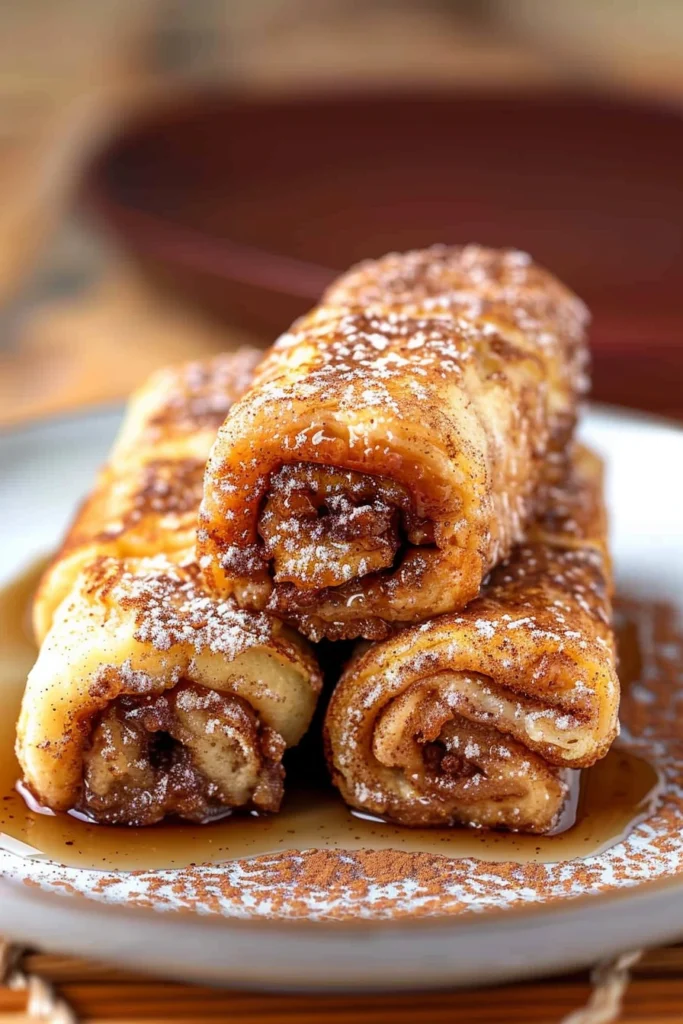
Table of Contents
What Are Cinnamon Roll French Toast Roll-Ups?
What Makes This Breakfast Different?
Cinnamon roll French toast roll ups combine two classic favorites—warm cinnamon rolls and soft French toast—into one quick, handheld breakfast. Instead of serving traditional slices, the dough is rolled, dipped, and cooked until golden. The result is a simple but indulgent breakfast that feels homemade without hours of prep. Because the cinnamon filling melts into the dough as it cooks, each bite becomes soft, warm, and comforting, making this option ideal for slow mornings or brunch spreads.
Why Cinnamon Roll French Toast Roll-Ups Are Trending
These roll ups have become a favorite across social platforms because they look impressive while staying incredibly easy to make. The trend also took off thanks to the growing interest in small breakfast recipes and breakfast-from-scratch ideas that don’t require complicated steps. Many home cooks enjoy how quick these roll ups are, especially for busy mornings or weekend brunch for two. Their adaptability—adding sauces, fillings, or toppings—also makes them perfect for seasonal twists, holiday mornings, or simple weekday treats.
Key Ingredients for the Best Cinnamon Roll French Toast Roll-Ups
Essential Pantry Ingredients
To make cinnamon roll French toast roll ups come out soft inside and lightly crisp on the outside, you only need a few simple ingredients. These pantry essentials work together to form the classic French toast coating that helps every roll cook evenly. Eggs provide structure, milk adds moisture, cinnamon brings warmth, and vanilla enhances overall flavor. A touch of sugar sweetens the mixture, while melted butter or light cooking oil helps the rolls brown without sticking. Because these ingredients blend smoothly, they allow the dough to soak just enough coating without turning soggy.
Below is a table with the core ingredients typically used for this recipe.
Table: Core Ingredients for Cinnamon Roll French Toast Roll-Ups
| Ingredient | Purpose | Notes |
|---|---|---|
| Eggs | Helps the coating stick to the dough | Use 1–2 eggs depending on batch size |
| Milk | Adds moisture and softness | Whole milk or a creamy dairy-free alternative |
| Cinnamon | Offers warm, classic flavor | Adjust to taste for stronger spice |
| Vanilla Extract | Boosts aroma and depth | Optional but highly recommended |
| Sugar or Brown Sugar | Adds sweetness | Brown sugar melts into a caramel layer |
| Butter or Light Oil | Helps with browning | Use for the pan or griddle |
| Cinnamon Roll Dough | Forms the base of the roll-ups | Store-bought or homemade |
Best Cinnamon Roll Dough Options (Homemade or Store-Bought)
Choosing the right dough affects texture, flavor, and prep time. Store-bought cinnamon roll dough is fast, consistent, and perfect for beginners. Homemade dough offers richer flavor and a softer bite, making it ideal for weekend brunch or special mornings. For a lighter, faster version, you can even flatten sandwich bread and roll it with cinnamon sugar. To help you compare, the table below highlights each option.
Learn more about similar sweet breakfast recipes like: sweet strawberry pound cake.
How to Make Cinnamon Roll French Toast Roll-Ups Step-by-Step
Preparing the Dough and Filling
Making cinnamon roll French toast roll ups starts with preparing the dough so it rolls smoothly and cooks evenly. If you’re using store-bought cinnamon roll dough, separate each piece and lightly flatten it with your hands. This gives you more surface area to roll without tearing. When working with homemade dough, keep it slightly chilled because cool dough holds its shape better and absorbs the coating more slowly. For a lighter option, flattened sandwich bread can work surprisingly well, especially for quick weekday breakfasts. After flattening, sprinkle each piece with cinnamon and a small amount of brown sugar to create a sweet swirl that melts as it cooks.
Once the dough is prepped, roll each piece tightly from one end to the other. Rolling firmly helps the layers stay together during cooking so the roll-ups don’t unwind in the pan. Place the rolled pieces on a plate while you prepare the French toast mixture, making sure they don’t touch so they keep their shape. In a shallow bowl, whisk eggs, milk, vanilla, cinnamon, and sugar until the mixture is smooth. This coating is what gives each roll-up the classic French toast texture. When the mixture is ready, dip each roll gently, turning it just long enough to coat the surface without soaking it. Over-soaking can make the dough heavy, which often leads to soggy results.
Dipping, Rolling, and Cooking Techniques
After dipping, move the roll-ups to a warm skillet or griddle coated with melted butter or oil. Medium heat is best because it allows the inside to warm while the outside browns evenly. High heat often browns the surface too fast, leaving the centers undercooked. Rotate the roll-ups every minute or so to help them brown on all sides. As they cook, the cinnamon sugar inside melts and creates a gooey, warm center that makes these roll ups so comforting. If you prefer a crispier finish, you can cook them a little longer or use slightly more butter in the pan.
When preparing a brunch spread, these roll-ups pair beautifully with fresh fruit or warm syrups. For another easy breakfast idea to serve on the side, Discover great ideas like dessert chips and fruit salsa. Once the roll-ups are cooked, let them cool for a minute before serving so the filling sets slightly. This helps them hold their shape and makes them easier to enjoy, especially for kids or guests who prefer handheld breakfasts.
Print
Cinnamon Roll French Toast Roll-Ups
Description
Soft, golden, and filled with sweet cinnamon goodness, these French toast roll-ups are the perfect breakfast or brunch treat. Easy to make and endlessly customizable, they’re a cozy way to start your day.
Ingredients
6 cinnamon rolls (store-bought or homemade)
2 eggs
½ cup milk
1 tsp vanilla extract
½ tsp cinnamon
2 tbsp brown sugar
2 tbsp butter or cooking oil
Instructions
Flatten each cinnamon roll into a rectangle. Sprinkle with cinnamon and brown sugar.
Roll each piece tightly and set aside.
In a shallow bowl, whisk eggs, milk, and vanilla.
Heat butter or oil in a skillet over medium heat.
Dip each roll-up in the egg mixture, coating evenly but not soaking.
Cook roll-ups in the skillet for 5–7 minutes, turning frequently until golden brown.
Serve warm with syrup, fresh fruit, or a drizzle of glaze.
Tips to Prevent Soggy or Undercooked Roll-Ups
Heat Control and Cooking Methods
One of the most common issues when making cinnamon roll French toast roll-ups is uneven cooking. Too high heat can burn the outside while leaving the center undercooked, and too low heat can make them soggy. The ideal method is medium heat on a nonstick skillet or lightly greased griddle. Preheat the pan to ensure even cooking from the start. Using a lid for the first minute or two can trap heat and help the centers cook through without over-browning the outside. Keep an eye on the roll-ups, rotating them every minute for consistent golden-brown color.
Ideal Texture and Timing Tips
Timing is crucial for achieving the perfect texture. Each roll-up usually takes about 5–7 minutes to cook fully, depending on size and dough thickness. Avoid over-soaking the dough in the egg mixture—just a quick dip is enough to coat the surface. Letting the roll-ups rest for a minute after cooking allows the melted cinnamon sugar inside to set slightly, keeping them from falling apart when served. For extra consistency, consider cooking smaller batches rather than crowding the pan, which can trap steam and make the roll-ups soggy.
Storage and Reheating Guide for Roll-Ups
Fridge & Freezer Storage Instructions
Cinnamon roll French toast roll-ups are perfect for meal prep because they store well for a few days. To refrigerate, place cooled roll-ups in an airtight container for up to 3 days. If you want to freeze them for longer storage, wrap each roll-up individually in plastic wrap and place them in a freezer-safe bag. Frozen roll-ups can last up to 2 months without losing flavor or texture. When ready to eat, simply thaw them in the refrigerator overnight for best results.
Best Ways to Reheat Without Drying
Reheating is simple and keeps the roll-ups moist and delicious. For best results, preheat your oven to 350°F (175°C) and bake the refrigerated or thawed roll-ups for 5–7 minutes. Alternatively, use a microwave on medium heat for 30–45 seconds, but be careful not to overheat, which can dry them out. For a crispier exterior, lightly toast them in a skillet with a small amount of butter or oil. Following these methods ensures each bite remains soft inside, lightly crisp outside, and full of warm, gooey cinnamon flavor.
Common Mistakes and Easy Fixes
Dough Issues and Troubleshooting
One common mistake when making cinnamon roll French toast roll-ups is using dough that is too thick or unevenly rolled. Thick dough may not cook through properly, while uneven rolling can cause leaks during cooking. To fix this, flatten each piece evenly before rolling and ensure all edges are sealed tightly. Over-soaking the dough in the egg mixture can also make the roll-ups soggy; a quick dip is enough to coat the surface. Using medium heat and cooking smaller batches can prevent these issues, ensuring even cooking and a soft, golden-brown finish.
Why Roll-Ups Fall Apart & How to Fix Them
Sometimes roll-ups can fall apart during cooking if the layers aren’t rolled tightly or if the dough is too fragile. To avoid this, pinch the edges firmly and avoid overfilling with cinnamon sugar or additional toppings. For delicate dough, chill the roll-ups for a few minutes before cooking, which helps them hold their shape. Another tip is to rotate the roll-ups gently while cooking to maintain even browning. With these simple fixes, you can enjoy perfect, intact cinnamon roll French toast roll-ups every time. Don’t miss our tips on creative variations and serving ideas for inspiration: mini egg cheesecake recipe.
Frequently Asked Questions
What kind of bread or dough works best for French Toast Roll-Ups?
Both store-bought cinnamon roll dough and homemade dough work well. Flattened sandwich bread is a lighter, quicker alternative.
Can I prepare Cinnamon Roll French Toast Roll-Ups the night before?
Yes, you can assemble them and store in the fridge overnight. Cook them fresh in the morning for best texture.
Why do my roll-ups get soggy?
Over-soaking the dough in the egg mixture or cooking at too low heat can cause sogginess. Use a quick dip and medium heat.
Can I air-fry cinnamon roll French toast roll-ups?
Yes, air-frying at 350°F (175°C) for 5–7 minutes works, but watch carefully to prevent over-browning.
What toppings go best with this recipe?
Classic options include maple syrup, powdered sugar glaze, fresh fruit, or a sprinkle of nuts.
Conclusion
Cinnamon roll French toast roll-ups are an easy, delicious, and customizable breakfast option. With the right ingredients, careful cooking, and a few simple variations, you can create a warm, sweet treat perfect for solo breakfasts, brunch for two, or holiday mornings. Follow these tips, experiment with flavors, and enjoy a breakfast that’s as impressive as it is comforting.